

 Emergency Plumbing
 Plumbing Repairs
 Water Heaters
 Drain Cleaning
 Sewer Service
 Faucets & Fixtures
 Repiping
 Toilet Plumbing
 Trenchless
 Plumbing Leaks
 Air Conditioning
 Heating
 Minisplit Systems
 Heat Pumps
 HVAC Components
 HVAC Rebates
Plumber cost ranges from $45 to $200 per hour, while total project costs can range from $100 for basic repairs to more than $30,000 for complete new-home plumbing installations. Homeowners pay $100 to $500 for common plumbing services such as toilet unclogging, drain cleaning, leak repairs, faucet replacement, and garbage disposal work, while larger projects such as burst pipe repairs, water heater installations, inspections, testing, and whole-home plumbing systems cost significantly more.
Emergency, after-hours, weekend, and holiday plumbing services can increase standard rates by 50% to 200%, while plumbers in high-cost markets charge $120 to $200 per hour compared to $45 to $75 per hour in many rural areas. The final plumber price depends on factors such as the plumber’s license level, experience, location, service urgency, job complexity, material requirements, permit fees, and accessibility of the plumbing system.
How Much Does a Plumber Cost Per Hour?
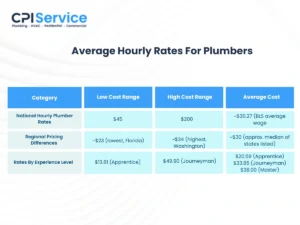
The average plumber cost ranges from $45 to $200 per hour, with pricing influenced by the plumber’s license level, experience, location, job complexity, and service urgency. Most homeowners pay higher rates for licensed plumbers, emergency service, or specialized plumbing repairs, while routine residential work in lower-cost markets falls near the lower end of the range. Plumbing labor price may be billed at an hourly rate, a flat rate, or as a service fee, making it important to compare estimates and understand what is included in the final plumber’s quote.
National Hourly Plumber Rates
The national hourly rate for plumbers is approximately $30.22 per hour, translating to an annual income of about $88,299. This price range covers homeowner-facing plumbing service rates of $45 to $200 per hour, with most residential plumbing jobs falling between $75 and $150 per hour, depending on the plumbing issue, service area, and plumber’s experience level. The difference reflects business expenses such as licensing, insurance, vehicles, equipment, dispatch operations, overhead, and service call fees, all of which influence the final plumber rate charged for plumbing services.
Licensed Plumber Cost Per Hour
A licensed plumber charges between $75 and $200 per hour, depending on the plumber’s certification level, experience, service area, and the complexity of the plumbing job. The price range covers licensed journeyman and master plumbers qualified to perform code-compliant plumbing work, obtain permits when required, and handle complex repairs, including water heater installation, leak detection, sewer line repairs, and pipe replacement. Licensed plumbers charge higher rates because their pricing includes professional training, insurance coverage, regulatory compliance, plumbing certification, and specialized expertise that helps reduce the risk of costly plumbing issues.
Regional Pricing Differences
Plumber costs vary by location, with urban and high-cost markets such as the West Coast ranging from $100 to $200 per hour, while rural areas nationwide range from $45 to $75 per hour. These differences in price range stem from labor costs, business overhead, licensing requirements, housing expenses, and local demand for plumbing services. For example, homeowners in San Jose, California, pay $120 to $200 per hour for licensed plumbing work due to the area’s high cost of living, competitive labor market, and elevated operating costs. In contrast, comparable plumbing services in many rural communities cost less than half that amount.
| Region | Hourly Rate | Notes |
| West Coast (CA, WA, OR) | $100-$200/hour | Highest rates in major metros such as San Francisco, Los Angeles, and Seattle |
| Northeast (NY, MA, NJ, CT) | $100-$180/hour | Premium pricing in New York City and Boston markets |
| Mountain West (CO, UT, AZ, NV) | $80-$140/hour | Growing metropolitan areas approaching coastal pricing |
| Midwest (IL, MN, WI, MI, OH) | $70-$120/hour | Major cities trend toward the higher end; rural markets often range from $60-$100 |
| South/Southeast (TX, FL, GA, NC) | $65-$110/hour | Lower labor and operating costs than coastal regions |
| Rural Areas (Nationwide) | $45-$75/hour | Lower hourly rates, but may include additional trip or travel charges |
Rates By Experience Level
An apprentice plumber charges $45 to $90 per hour for basic plumbing tasks performed under supervision, while a journeyman plumber charges $60 to $110 per hour, and a master plumber charges $90 to $200 per hour. The increase in plumber rates reflects higher levels of training, licensing, technical expertise, and responsibility. Apprentice plumbers assist with routine plumbing work, journeyman plumbers handle most residential plumbing repairs and installations independently, and master plumbers perform complex diagnostics, permit-regulated work, code-compliant installations, and large-scale plumbing projects.
Estimate Your Plumbing Cost
*This is a general estimate. Final pricing may vary depending on your location, the specific nature of the job, material choices, and real-time availability.
How Much Does an Emergency or Weekend Plumber Cost?
An emergency or weekend plumber costs $100 to $500+ per visit, with hourly rates often ranging from 1.5x to 3x higher than standard plumbing rates. Emergency plumbing costs increase because plumbers must respond outside normal business hours, rearrange schedules, maintain on-call availability, and dispatch technicians immediately. The final price depends on the urgency of the plumbing issue, the time of service, the day of the week, the location, and whether additional labor, parts, or after-hours surcharges apply.
Emergency Plumber Cost
An emergency plumber costs $100 to $500+ per visit, with some major plumbing emergencies exceeding $1,000 when extensive repairs are required. Emergency pricing applies to urgent plumbing issues that require immediate attention, such as burst pipes, severe leaks, sewer backups, overflowing toilets, or water heater failures. Most plumbing companies charge an emergency callout fee, a higher labor rate, or both to prioritize rapid response and minimize property damage.
24 Hour Plumber Cost
A 24-hour plumber costs $100 to $300 per hour, depending on the location, time of service, and severity of the plumbing issue. The higher rate reflects round-the-clock availability and dispatch-based pricing, allowing plumbers to respond at night, on weekends, and on holidays. In addition to labor charges, homeowners may pay service call fees, emergency dispatch fees, or minimum charges for overnight plumbing service.
After-Hours Plumber Cost
An after-hours plumber costs 50% to 100% more than standard daytime rates, with many plumbing companies charging $100 to $250 per hour during evening and overnight hours. These higher rates compensate for technician availability outside regular business schedules and the operational costs associated with emergency dispatch. The surcharge often begins after standard working hours and continues until the next business day.
Weekend Plumbing Cost
Weekend plumbing service costs 10% to 50% more than weekday service, with plumber rates ranging from $90 to $250 per hour, depending on the company and region. Saturday appointments often carry smaller premiums than Sunday service because staffing availability becomes more limited as the weekend progresses. Some plumbing companies apply a flat weekend surcharge, while others increase their hourly rate.
Holiday Plumbing Surcharges
Holiday plumbing service commands the highest premium pricing, with plumber rates ranging from $150 to $300+ per hour in many markets. Plumbing companies charge higher holiday rates because technicians work during major holidays, when staffing is limited, and demand for emergency service remains high. Holiday surcharges often exceed standard emergency and weekend fees, particularly for urgent repairs involving burst pipes, flooding, sewer backups, or loss of hot water.
How Much Does a Plumber Cost By Job Type?
Based on the job type, plumber costs range from $100 to $500, with toilet unclogging and drain unclogging services falling at the lowest end of the range ($100-$350 and $100-$400) and plumber snake services falling at the highest end ($150-$500) among the plumbing jobs covered below. The final plumber’s price depends on the severity of the blockage, the drain’s location, accessibility, labor requirements, equipment used, and whether additional diagnostic work or emergency plumbing service is required.
Plumber Cost to Unclog a Toilet
A plumber costs $100 to $350 to unclog a toilet, with most homeowners paying $150 to $250 for a standard blockage. The lower end of the price range covers simple toilet clogs caused by excess toilet paper or minor obstructions that can be cleared with a plunger or toilet auger. Plumber costs increase when the blockage extends into the drain line, affects multiple fixtures, or requires camera inspection to identify the source of the problem. Emergency plumbing service, after-hours scheduling, and recurring backups can also raise the final plumber cost. For example, clearing a basic toilet blockage during normal business hours may cost around $150, while clearing a sewer line obstruction affecting several bathrooms may cost more than $350.
Plumber Cost to Unclog a Drain
A plumber costs $100 to $400 to unclog a drain serving a sink, bathtub, shower, or floor drain. Simple sink and bathroom drain clogs fall at the lower end of the range because they often require minimal labor and basic drain-cleaning equipment. A routine bathroom sink clog may cost $125 to $200, while a heavily blocked main drain line can approach $400 before additional repairs are required. The price increases when plumbers must remove heavy grease buildup, hair blockages, soap residue, or debris located deeper within the plumbing system. Accessibility also affects pricing, as drain lines located behind walls, under floors, or in crawlspaces require additional labor.
Plumber Snake Cost
A plumber snake service costs $150 to $500, depending on the location and severity of the blockage. Most homeowners pay $200 to $350 to clear a clogged drain using a mechanical auger or drain snake. The final price for a plumber’s snake depends on the drain length, blockage depth, accessibility, and whether the clog is located in a sink, shower, bathtub, floor drain, or main sewer line. Simple drain blockages near the fixture cost less because they require less labor and equipment, while deeper obstructions or recurring clogs may require additional diagnostic work. For example, snaking a bathroom sink drain may cost $150 to $250, while clearing a blockage in a main sewer line can cost up to $500.
Hydro Jetting Plumbing Cost
Hydro jetting costs $300 to $1,000, with most homeowners paying $400 to $800 for professional drain or sewer line cleaning. Cleaning a residential drain line may cost around $400 to $600, while hydro jetting a heavily blocked sewer line can exceed $1,000. This plumbing service uses high-pressure water to remove grease buildup, sludge, mineral deposits, tree roots, and stubborn blockages that standard drain snaking cannot fully clear. The final price depends on the severity of the blockage, pipe condition, sewer line length, accessibility, and whether a camera inspection is performed before cleaning.
Plumber Cost to Fix a Leaking Pipe
The cost to fix a leaking pipe ranges from $150 to $850, with most homeowners paying $250 to $600 for a standard pipe repair. A simple exposed pipe repair may cost around $200, while repairing a hidden leak behind a wall can cost up to $850. Final price for fixing a leaking pipe depends on the pipe material, leak severity, accessibility, and whether walls, ceilings, floors, or landscaping must be opened to reach the damaged section. Repairs involving exposed PVC, PEX, or copper pipes cost less because access is straightforward, while concealed leaks require additional labor.
Plumber Cost to Repair a Burst Pipe
A plumber costs to repair a burst pipe falls between $400 to $2,000+, making it one of the most expensive residential plumbing repairs. Most homeowners spend $500 to $1,200 when the damage is limited to a single section of pipe. A localized burst pipe repair may cost $500 to $900, while extensive water damage affecting multiple rooms can exceed $2,000. The cost to repair a burst pipe increases when it is located behind walls, beneath floors, within ceilings, or underground. Additional expenses may include emergency plumbing service, water damage mitigation, drywall replacement, flooring repairs, and insulation replacement.
Plumbing Leak Detection Cost
Plumbing leak detection costs $100 to $600, with most homeowners paying $150 to $400 to locate a hidden leak before repairs begin. Detecting a visible plumbing leak may cost around $100, while locating a slab leak or underground pipe leak can cost $600 or more. Plumbers use methods such as acoustic listening devices, thermal imaging cameras, pressure testing, and moisture detection equipment to identify concealed leaks within walls, ceilings, floors, or underground plumbing systems. The final cost for leak detection depends on the property’s size, the leak’s location, and the diagnostic method used.
Plumber Cost to Fix a Toilet
A plumber cost to fix a toilet is $125 to $500, with most repairs falling between $150 and $300. A simple flapper replacement may cost around $125, while repairing multiple toilet components or addressing hidden leaks can cost up to $500. Common toilet repairs include replacing a flapper, fill valve, flush valve, wax ring, shut-off valve, or repairing leaks around the toilet base. The final price depends on the faulty component, labor time, toilet accessibility, and whether replacement parts are required.
Plumber Cost to Replace a Faucet
A plumber costs to replace a faucet is $150 to $600, with most homeowners paying $200 to $400 for standard faucet installation. The cost includes removing the existing fixture, installing the new faucet, connecting supply lines, and testing for leaks. Pricing varies based on faucet type, sink configuration, accessibility, and whether plumbing modifications are necessary. Replacing a standard bathroom faucet may cost around $200, while installing a premium kitchen faucet with additional plumbing adjustments can exceed $600.
Plumber Cost to Replace a Shut-Off Valve
A plumber cost to replace a shut-off valve is $150 to $500, with an average of $200 to $350 for a standard valve replacement. It includes shutting off the water supply, removing the faulty valve, installing the new valve, and testing the connection for leaks and proper operation. The overall price varies based on valve location, pipe material, accessibility, and the presence of corrosion or pipe damage. Replacing an easily accessible shut-off valve under a sink falls near the lower end of the range, while replacing a corroded main water shut-off valve or a valve located behind walls can significantly increase the final plumber cost.
Plumber Cost to Replace a Shower Valve
A plumber cost to replace a shower valve ranges from $375 to $1,200, with most homeowners paying $500 to $900 for a standard replacement. The price includes access to the valve, removal of the existing component, installation of the new valve, reconnection of plumbing lines, and testing the system for proper operation. Costs increase when plumbers must open walls, remove tile, replace trim components, modify plumbing connections, or update older plumbing systems. Projects involving easy access fall toward the lower end of the range, while extensive wall repairs and plumbing modifications push costs toward the higher end.
Plumber Cost to Replace a Garbage Disposal
The cost to replace a garbage disposal ranges between $200 to $700, with most installations falling between $250 and $500. The price range includes removing the existing disposal, installing the replacement unit, reconnecting drain components, and testing the system for leaks and proper operation. Costs vary based on disposal size, sink configuration, plumbing modifications, electrical readiness, and accessibility beneath the sink. Standard replacement projects fall near the lower end of the range, while premium disposal units or installations requiring additional plumbing adjustments increase the final plumber cost.
How Much Does a Plumber Cost for Inspections and Testing?
Plumber inspection and testing costs range from $100 to $1,300, with standard plumbing inspections falling at the lower end of the range and advanced diagnostic testing requiring specialized equipment costing significantly more. The final plumber cost depends on the inspection method, property size, plumbing system accessibility, and the complexity of the issue being investigated. These plumbing services help plumbers identify leaks, sewer line damage, drainage problems, pressure issues, and hidden plumbing defects before repair work begins.
Plumbing Inspection Cost
A plumbing inspection costs $100 to $1,300, with most homeowners paying $200 to $500 for a standard residential inspection. The price includes an evaluation of visible plumbing fixtures, water supply lines, drain lines, shut-off valves, water heaters, water pressure, and the overall condition of the plumbing system. Costs increase when the inspection involves large properties, detailed reports, real estate transactions, code compliance reviews, or additional plumbing services. A routine plumbing inspection for a single-family home falls near the lower end of the range, while comprehensive inspections involving extensive system evaluation can approach $1,300.
Camera Inspection Cost
A camera inspection costs $250 to $800, with most sewer camera inspections ranging from $300 to $600. The service involves inserting a specialized camera into a drain or sewer line to identify blockages, root intrusion, pipe corrosion, cracks, collapses, or other hidden plumbing issues. Costs vary based on pipe length, accessibility, inspection depth, and the number of drain lines being evaluated. Camera inspections are commonly recommended for recurring drain backups, suspected sewer line problems, and pre-purchase property inspections.
Smoke Test Cost
A smoke test costs $250 to $600, with most homeowners paying $300 to $500 for the service. The test introduces non-toxic smoke into the plumbing vent and drain system to locate sewer gas leaks, damaged vent pipes, faulty connections, and hidden plumbing defects. Costs depend on property size, plumbing system complexity, and the amount of testing required. Smoke testing is often used when persistent sewer odors cannot be diagnosed through a standard plumbing inspection.
Hydrostatic Test Cost
A hydrostatic test costs $300 to $1,000, with most tests falling between $400 and $800. The procedure isolates sections of the plumbing system and applies water pressure to confirm leaks in underground pipes, sewer lines, or slab plumbing. Costs vary based on property size, accessibility, system configuration, and the extent of testing required. Hydrostatic testing is commonly performed when plumbers suspect underground pipe leaks, slab leaks, or sewer line failures that cannot be verified through visual inspection alone.
How Much Does a Plumber Cost for a New Installation?
New plumbing installation costs range from $150 to $30,000+, depending on the type of installation, number of fixtures, material requirements, labor involved, and whether the project involves a single fixture or an entire plumbing system. Small installations such as faucets and toilets fall at the lower end of the range, while plumbing a new home represents the highest installation cost. Additional factors such as permits, plumbing code requirements, pipe materials, accessibility, and fixture quality can also affect the final cost of plumbing.
Cost to Plumb a New Home
The cost to plumb a new home ranges from $8,000 to $30,000+, with most homeowners paying $10,000 to $20,000 depending on home size and plumbing complexity. The price includes water supply lines, drain lines, vent systems, bathrooms, kitchen plumbing, laundry connections, fixture hookups, and required plumbing permits. Costs increase with additional bathrooms, custom fixtures, larger square footage, and complex plumbing layouts. A standard 2,000-square-foot home falls near the middle of the range, while larger custom homes can exceed $30,000.
Rough-In Plumbing Cost Per Fixture
Rough-in plumbing costs $300 to $1,200 per fixture, with bathrooms and showers requiring more labor than standard sinks or toilets. This phase occurs before drywall installation and establishes the drain, vent, and water supply connections that support each fixture. Costs rise when fixtures are located far from the main plumbing lines or when premium pipe materials and complex layouts are involved. Most residential rough-ins fall between $500 and $800 per fixture, particularly in new construction and major renovation projects.
Plumber Cost to Install a Toilet
A plumber costs to install a toilet ranges between $150 to $800, with most standard installations falling between $250 and $500. Installation pricing depends heavily on the condition of the existing plumbing connection. Projects involving a damaged flange, uneven flooring, water supply modifications, or the removal of an old toilet require additional labor. Basic toilet replacements are completed quickly, while high-efficiency, wall-mounted, or smart toilet installations often require extra setup and testing.
Plumber Cost to Install a Faucet
A plumber cost to install a faucet falls between $150 to $500, making it one of the most affordable plumbing installation services. Bathroom faucets occupy the lower end of the range because access is straightforward and installation time is shorter. Kitchen faucets often cost more due to larger fixtures, pull-down sprayers, filtration systems, or tighter cabinet access. The final plumber cost also depends on whether supply lines, shut-off valves, or mounting hardware need to be replaced during installation.
Plumber Cost to Install a Garbage Disposal
A plumber cost to install a garbage disposal ranges from $200 to $700, with replacement installations costing less than first-time installations. Existing plumbing and electrical connections reduce labor requirements because the mounting assembly and drain configuration are already in place. Costs increase when plumbers must modify sink plumbing, upgrade fittings, or coordinate electrical work. Disposal size, motor power, and sink configuration also influence the final installation price.
Plumber Cost to Install a Water Heater
A plumber cost to install a water heater falls between $900 to $3,500, with tankless systems accounting for the highest installation costs. Unlike most plumbing installations, water heater pricing is influenced as much by the equipment as the labor itself. Venting requirements, gas line upgrades, electrical modifications, permit requirements, and code compliance all contribute to the final cost. Traditional tank water heaters fall near the lower end of the range, while whole-home tankless systems often exceed $3,500 after installation and required upgrades.
What Factors Affect Plumbing Costs?
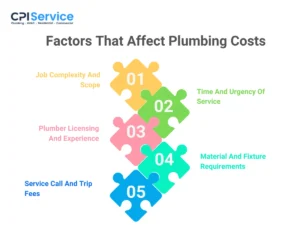
Factors affecting plumbing costs include job complexity, service urgency, plumber experience, required materials and fixtures, trip fees, plumbing permits, and home age. Each factor influences the amount of labor, equipment, materials, and time required to complete the work, which can significantly increase or decrease the final plumber cost.
7 factors affecting plumbing costs are:
- Job Complexity And Scope
- Time And Urgency Of Service
- Plumber Licensing And Experience
- Material And Fixture Requirements
- Service Call And Trip Fees
- Plumbing Permits
- Home Age
Job Complexity And Scope
Job complexity and scope can affect plumbing costs by $100 to $5,000+, depending on the amount of labor, the number of fixtures involved, pipe accessibility, and the severity of the repair. Simple plumbing repairs, such as replacing a faucet or unclogging a drain, require less labor and equipment, while repiping sections of a home, repairing underground pipes, or completing multi-fixture installations significantly increase the final plumber cost.
Time And Urgency Of Service
Service timing can increase plumbing costs by 25% to 200% above standard rates, with emergency, after-hours, weekend, and holiday appointments carrying the highest premiums. A repair that costs $200 during regular business hours may exceed $400 to $600 when immediate plumbing service is required overnight, on weekends, or during holidays due to emergency dispatch and plumber availability requirements.
Plumber Licensing And Experience
A plumber’s license level and experience can affect costs by $30 to $100+ per hour, depending on qualifications and expertise. Apprentice plumbers charge less for basic work, while journeyman and master plumbers command higher rates because they can perform complex diagnostics, permit-regulated work, code-compliant installations, and advanced plumbing repairs that require specialized knowledge.
Material And Fixture Requirements
Materials and fixtures can increase plumbing costs by $50 to $1,000+ dollars, depending on product quality and installation requirements. Standard PVC fittings, basic faucets, and common plumbing components cost significantly less than premium fixtures, tankless water heaters, custom shower systems, copper piping, or specialty plumbing equipment that require additional labor and materials.
Service Call And Trip Fees
Service call and trip fees can add $50 to $250 to the final plumber cost before repairs begin. These charges cover travel time, dispatch expenses, diagnostics, and minimum service requirements. Plumbers serving remote locations often charge higher trip fees because longer travel distances increase operating costs and technician time.
Plumbing Permits
Permit requirements can increase plumbing costs by $50 to $1,500+, depending on the type of work, local regulations, inspection requirements, and permit fees charged by the municipality. Minor plumbing repairs rarely require permits, whereas water heater replacements, repiping projects, sewer line work, and new plumbing installations often require permits and code inspections. For example, in San Jose, permits are required for water heater replacements and major plumbing modifications, which can add $200 to $800 or more in permit fees, plan reviews, and inspection costs depending on the scope of the project and local code requirements.
Home Age
The age of a home can increase plumbing costs by 10% to 100% or more when older plumbing systems require additional labor and repairs. Homes built before 1970 often contain galvanized steel, cast iron, or lead plumbing components that deteriorate over time, increasing plumber costs due to corrosion, restricted water flow, recurring leaks, pipe replacement needs, and the additional labor required to access and repair aging plumbing systems. Older homes also carry a higher risk of uncovering hidden plumbing issues during repairs, which can increase the overall project cost beyond the original estimate.
How Can You Estimate Plumbing Costs?
You can estimate plumbing costs by listing the plumbing problem, measuring the scope of work, checking whether parts or fixtures are needed, comparing pricing structures, accounting for additional charges, and reviewing multiple written estimates. Taking these factors into account helps create a more accurate plumbing budget and provides a clearer understanding of the labor, material, permit, and service fees that may affect the final plumbing cost.
Key factors to consider when estimating plumbing costs are:
- List the Plumbing Problem Clearly
Start by identifying the plumbing issue as accurately as possible. Note the affected fixture, symptoms, location, severity, and urgency of the problem. For example, a leaking pipe, clogged drain, running toilet, low water pressure issue, burst pipe, or water heater malfunction will each have different labor requirements and cost ranges. Providing a clear description helps plumbers prepare a more accurate estimate before visiting the property.
- Measure the Scope of Work
The scope of work directly affects labor time and material costs, so determine how many fixtures, rooms, drains, pipes, or appliances are involved and identify the location of the problem. Plumbing issues hidden behind walls, beneath floors, inside ceilings, in crawlspaces, basements, or utility rooms often require more labor than repairs that are easily accessible.
- Check Whether Parts or Fixtures Are Needed
Replacement parts can significantly affect the final plumbing cost, therefore always check whether the job requires a faucet, toilet component, shut-off valve, pipe fitting, garbage disposal, water heater component, gasket, sealant, or a complete fixture replacement. Premium fixtures and specialty parts increase costs more than standard plumbing components.
- Compare Hourly Rate, Flat Rate, and Service Call Fees
Get and compare the hourly rate, flat project fee, service call fee, trip charge, diagnostic fee, and minimum charge to understand how each plumber structures pricing. Homeowners should also confirm whether service call or diagnostic fees are credited toward the final repair cost if the work proceeds.
- Add Emergency, Weekend, or Permit Charges
Emergency plumbing services, after-hours repairs, weekend appointments, holiday callouts, and permit requirements can substantially increase the total plumbing cost. Include any applicable emergency fees, overtime rates, weekend surcharges, permit costs, and inspection fees when estimating the total project budget.
- Get Multiple Written Plumbing Estimates
Request at least three itemized written estimates before hiring a plumber. Comparing estimates helps identify differences in labor costs, material pricing, permit fees, warranty coverage, cleanup services, and exclusions. A detailed written estimate makes it easier to evaluate overall value rather than choosing a plumber based solely on the lowest price.
How Do You Choose The Right Plumber For The Cost?
To choose the right plumber for the cost, verify licensing and insurance, review experience with similar plumbing jobs, compare detailed estimates, assess warranty coverage, and avoid selecting a plumber based solely on the lowest price. Following these steps helps homeowners compare value rather than price alone, reducing the risk of hidden costs, poor workmanship, unlicensed repairs, and repeat plumbing issues that can increase the total cost over time.
Here are the factors to choose the right plumber for the cost:
- Verify Licensing and Insurance: Confirm that the plumber holds a valid plumbing license and carries liability insurance before hiring them. For example, homeowners in California can verify a plumber’s C-36 Plumbing Contractor License through the CSLB, while other states may issue Journeyman, Master Plumber, or Plumbing Contractor licenses.
- Check Experience With Similar Plumbing Jobs: Hire a plumber who has completed projects similar to your need, whether it involves drain cleaning, leak detection, water heater installation, sewer repairs, repiping, or new plumbing construction. Relevant experience often leads to faster diagnostics and more reliable repairs.
- Ask for Transparent Pricing and Detailed Estimates: Request an itemized estimate that breaks down labor costs, materials, service call fees, trip charges, permit fees, warranties, and any additional potential costs. A detailed quote makes it easier to accurately compare plumbers.
- Compare What Is Included in Each Estimate: Review the scope of work in each proposal to determine whether permits, cleanup, fixture removal, testing, warranty coverage, and follow-up visits are included. A higher quote may provide more value if it covers additional plumbing services.
- Compare Customer Reviews and Verified Ratings: Read verified customer reviews to evaluate workmanship quality, pricing accuracy, communication, punctuality, and warranty support. Consistent positive feedback often indicates dependable plumbing service and customer satisfaction.
- Check Workmanship Guarantees and Warranty Coverage: Choose a plumber who provides written workmanship guarantees and warranty coverage on both labor and replacement parts. Strong warranty protection can reduce future repair costs if problems occur after the job is completed.
- Avoid Choosing Only the Lowest Plumbing Quote: The lowest estimate is not always the best value because it may exclude permits, quality materials, warranty coverage, cleanup services, diagnostics, or licensed labor. Compare the complete scope of work before making a decision.

