

 Emergency Plumbing
 Plumbing Repairs
 Water Heaters
 Drain Cleaning
 Sewer Service
 Faucets & Fixtures
 Repiping
 Toilet Plumbing
 Trenchless
 Plumbing Leaks
 Air Conditioning
 Heating
 Minisplit Systems
 Heat Pumps
 HVAC Components
 HVAC Rebates
How Much Does Sewer Line Replacement Cost?
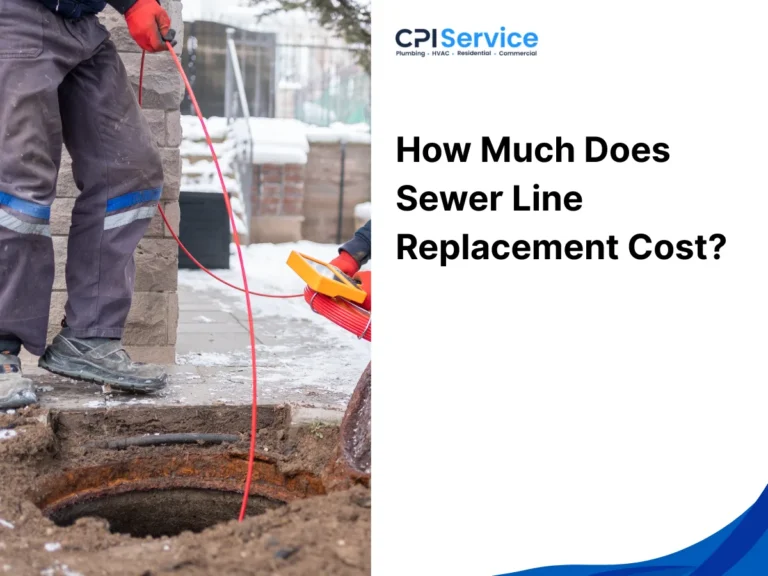
Sewer line replacement costs range from $225 to $20,000+, with most residential projects averaging $3,319 to $5,000+. Complex replacements involving deep excavation, collapsed sewer pipes, municipal connections, or trenchless methods can drive costs higher, with average pricing ranging from $50 to $250 per linear foot, and 100-foot sewer line replacements reaching $25,000+ in difficult conditions. Final costs depend on the type of sewer line, pipe material, excavation depth, replacement method, property access, and restoration requirements.
Factors such as cast-iron, clay, and Orangeburg sewer pipes, tree-root intrusion, concrete removal, roadway excavation, and plumbing compliance requirements often increase labor and restoration costs. Traditional trench excavation increases overall project costs, whereas trenchless sewer replacement methods such as pipe relining, pipe bursting, and CIPP sewer lining may reduce surface restoration costs under suitable conditions. Additional costs for sewer camera inspections, permits, emergency plumbing services, cleanup, and yard or driveway restoration can further affect the total price of a sewer line replacement.
What Is the Average Sewer Line Replacement Cost?
The average sewer line replacement cost ranges from $3,319 to $5,000+ for most residential properties, while complex projects involving extensive excavation or specialized trenchless technology can cost $10,000 to $20,000 or more. Overall, the final cost of a sewer line replacement depends on factors such as pipe length, plumber’s experience, pipe material, excavation depth, replacement method, and property access conditions.
For example, traditional excavation methods, such as dig-and-replace sewer line replacement, often increase the total price because plumbers must dig trenches and restore the yard, driveway, or concrete after installation. In contrast, trenchless sewer line replacement methods, including pipe bursting and pipe relining, may reduce labor and restoration costs in suitable conditions. Older cast-iron pipes, clay sewer pipes, tree-root intrusion, and collapsed sewer lines can also increase the overall price of sewer line replacement.
How Much Does Sewer Line Replacement Cost by Line Type?
Replacing different sewer line types costs between $1,400 and $15,000, depending on sewer pipe length, excavation depth, pipe material, municipal connection complexity, and restoration requirements. Main sewer lines, sewer laterals, and sewer lines running from the house to the street or city main each involve different labor and excavation demands. Deeper sewer lines exceeding 4 feet and longer sewer pipe distances also increase labor and material costs. Prices also rise when plumbers must replace damaged cast-iron, clay, or Orangeburg sewer pipes or restore concrete, landscaping, and hardscaping after excavation.
How Much Does Main Sewer Line Replacement Cost?
Main sewer line replacement costs range from $1,400 to $10,000, depending on the length of the sewer pipe, excavation depth, pipe material, and replacement method. Costs increase when plumbers must excavate deep trenches, replace damaged cast-iron pipes, or restore driveways and landscaping after installation. In most cases, homeowners are responsible for the sewer line within the property boundary, although local utility rules may vary. A sewer camera inspection and a professional quote from reliable plumbing companies help determine the exact scope of the replacement and the total price of the sewer line replacement.
How Much Does Sewer Lateral Replacement Cost?
Sewer lateral replacement cost ranges from $2,000 to $15,000, with pricing influenced by sewer pipe depth, excavation access, municipal permit requirements, and street or sidewalk restoration. The overall price range further increases when plumbers must cut through public roads, manage traffic control, or replace deteriorated clay and Orangeburg sewer pipes. In sewer lateral replacement, homeowners are responsible for the sewer lateral up to the municipal connection point. To get a better estimate of sewer lateral replacement costs, a professional sewer inspection helps identify pipe damage and provides a more accurate estimate.
How Much Does It Cost to Replace a Sewer Line From House to Street?
Replacing a sewer line from the house to the street costs between $3,000 and $10,000. The final price depends on total linear footage, excavation depth, property access, and the amount of landscaping, concrete, or hardscaping that requires restoration after the replacement. Permit requirements and plumbing compliance standards can also affect the overall price of a sewer line replacement. For better estimation, a sewer camera inspection helps determine whether trenchless sewer replacement methods are suitable, potentially reducing excavation and restoration expenses.
How Much Does It Cost to Replace a Sewer Line From House to Main?
Replacing a sewer line from the house to the city main costs between $3,300 and $10,000, with costs varying based on the distance of the sewer pipe, the replacement method, the complexity of the municipal connection, excavation requirements, and restoration work. Traditional excavation increases labor and equipment costs, while trenchless sewer line replacement may reduce surface disruption in suitable conditions. Because homeowners are responsible for the entire sewer line connection to the municipal main, a professional site inspection and a plumber’s quote are necessary to accurately determine the total price of the sewer line replacement.
How Much Does Sewer Line Replacement Cost Per Foot?
Sewer line replacement cost ranges from $50 to $250 per linear foot, depending on pipe depth, material, excavation difficulty, trenching method, and restoration work. Traditional trenching for sewer line replacement costs between $50 and $125 per foot, while trenchless sewer line replacement methods, such as pipe bursting and pipe lining, range from $60 to $250 per foot. Deeper sewer pipes exceeding 4 to 5 feet, damaged cast-iron pipes, tree roots, sidewalks, and roadway excavation significantly increase labor and excavation costs, while PVC and ABS sewer pipe materials reduce material expenses.
How Much Does It Cost to Replace 50 Feet of Sewer Line?
Replacing 50 feet of sewer line costs between $2,500 and $12,500, based on an average cost of $50 to $250 per linear foot. Costs rise when plumbers must excavate deep sewer lines, replace damaged cast-iron pipes, remove concrete, or restore landscaping after installation. Trenchless sewer replacement methods may lower restoration expenses in some projects. Base estimates may not include permit fees, sewer camera inspections, municipal connection work, or emergency plumbing service, which can also increase the overall price range.
How Much Does It Cost to Replace 100 Feet of Sewer Line?
Replacing 100 feet of sewer line costs between $5,000 and $25,000, depending on the depth of the sewer pipe, excavation requirements, pipe material, and replacement method. Longer sewer pipe distances increase labor, excavation, and material costs, especially when plumbers must cut through driveways, sidewalks, or public roads. Trenchless sewer line replacement may reduce surface restoration expenses when the existing pipe condition supports trenchless methods.
What Key Factors Influence Sewer Line Replacement Costs?
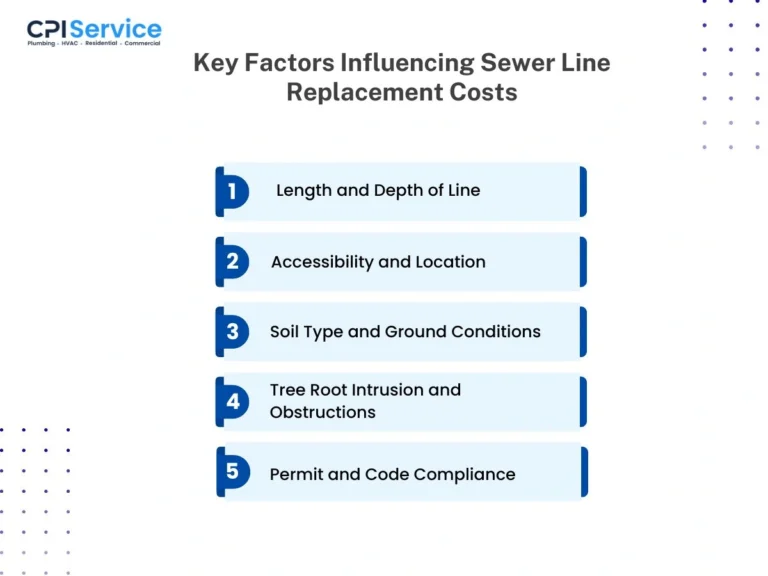
Key factors influencing sewer line replacement costs include length and depth, accessibility, location, soil type, tree roots, obstructions, and local permit fees. Sewer line replacement costs often increase when plumbers must perform deep excavation, restore concrete or landscaping, remove obstructions, or meet municipal plumbing compliance requirements.
Key factors influencing sewer line replacement costs include:
- Length and depth
- Accessibility and location
- Soil type and ground conditions
- Tree roots and obstructions
- Permits and Code Compliance
How Does the Length and Depth of the Line Affect Sewer Line Replacement Cost?
Length and depth of the line affect sewer line replacement cost, often adding $50 to $250 per linear foot as plumbers must use more labor, excavation equipment, sewer pipe materials, and safety measures. Longer sewer lines require additional trenching, pipe laying, backfilling, and inspection work, while deeper sewer lines exceeding 5 feet significantly increase excavation intensity and equipment costs. Deep trenches may also require trench shoring systems to prevent cave-ins and may encounter underground utilities or hard rock, increasing specialized labor expenses.
How Does Accessibility and Location Affect Sewer Line Replacement Cost?
Accessibility and location affect sewer line replacement cost by increasing labor, excavation, and restoration expenses when plumbers must work beneath driveways, concrete slabs, sidewalks, landscaping, or public roads. Depending on site conditions, the total sewer line replacement cost can increase by $2,000 to $5,000+ due to obstacles such as limited property access, deep excavation areas, traffic control requirements, concrete removal, municipal permits, and extensive surface restoration. For example, sewer lines in open yards with easier access for excavation cost less to replace, while trenchless sewer replacement methods may help reduce excavation and restoration costs in suitable locations.
How Do Soil Type and Ground Conditions Affect Sewer Line Replacement Cost?
Soil type and ground conditions can increase sewer line replacement costs by 10% to 40%, often adding $1,000 to $4,000 to the total project cost as rocky soil, clay-heavy ground, groundwater, and unstable terrain slow excavation. Hard or shifting soil conditions may also increase trench reinforcement, drainage control, and restoration expenses during sewer line replacement. In contrast, stable soil with easier excavation access reduces labor costs, shortens the project timeline, and lowers the overall cost of sewer line replacement.
How Do Tree Roots and Obstructions Affect Sewer Line Replacement Cost?
Tree roots and underground obstructions can increase sewer line replacement costs by $500 to $5,000+ beyond the base replacement price because plumbers may need to perform root removal, hydro jetting, additional excavation, or sewer pipe section replacement before installation. Large tree roots in sewer lines, collapsed sewer pipes, buried utility lines, and concrete obstructions often increase labor time, excavation difficulty, and equipment usage during sewer line replacement. Preventive sewer line inspections and early root removal may help reduce future repair expenses, while a sewer camera inspection helps plumbers locate the blockage and accurately determine the scope of replacement.
How Do Permits and Code Compliance Affect Sewer Line Replacement Cost?
Permits and plumbing compliance requirements can add $100 to $2,000+ to the cost of a sewer line replacement, depending on municipal regulations, inspection requirements, and excavation permits. Overall pricing often increases when projects require roadway access permits, city inspections, updated sewer pipe materials, plumbing compliance, or code-compliant sewer connection upgrades. For example, cities such as San Jose, California, commonly require a Plumbing Permit, a Sewer Lateral Permit, and sometimes an Encroachment Permit when excavation extends into sidewalks, streets, or the public right-of-way.
How Does Pipe Material Affect Sewer Line Replacement Cost?
Pipe material affects sewer line replacement costs because different pipe types, such as PVC and Orangeburg, require different excavation methods, labor intensity, removal, and restoration. PVC sewer pipes have lower installation and labor costs due to their lightweight and corrosion-resistant design, whereas cast-iron, clay, and Orangeburg sewer pipes often incur higher replacement costs due to corrosion, pipe collapse, root intrusion, and difficult removal. Older sewer pipe materials may also require extensive excavation, concrete removal, and full pipe replacement, which directly influences the total sewer line replacement cost.
How Much Does PVC Sewer Pipe Replacement Cost?
PVC sewer pipe replacement costs range from $3,000 to $8,000, while PVC sewer pipe material costs $3 to $11 per linear foot. Overall price for PVC sewer pipe replacement may vary based on sewer pipe depth, excavation difficulty, compatibility with trenchless sewer replacement, and restoration work. Compared to other pipe materials, PVC sewer pipes have lower labor and installation costs because they are lightweight, corrosion-resistant, and easier to handle than older sewer pipe materials. Replacement costs for PVC sewer pipe may still increase when contractors must excavate deep trenches, remove concrete, or restore landscaping after installation.
How Much Does Cast Iron Sewer Pipe Replacement Cost?
Cast-iron sewer pipe replacement costs range from $8,000 to $20,000+, while cast-iron sewer pipe materials cost around $12 to $25 per linear foot. Costs increase due to pipe corrosion, extensive material removal, deep excavation, and access to the concrete slab. Cast-iron sewer pipes further require specialized cutting equipment, additional labor, and higher disposal costs because older pipes commonly crack, corrode, or collapse over time. Restoration work, trench depth, and underground pipe access further affect the final price of the sewer line replacement.
How Much Does Clay Sewer Pipe Replacement Cost?
Clay sewer pipe replacement costs range from $5,000 to $15,000, while clay sewer pipe materials cost around $10 to $30 per linear foot. The overall cost of replacing clay sewer pipes depends on pipe depth, excavation difficulty, the severity of pipe collapse, and tree root intrusion. Clay sewer pipes frequently crack, separate, or shift underground, increasing trench excavation and restoration costs during replacement. Prices may rise further when plumbing contractors must remove fragile sections of pipe, restore hardscaping, or perform extensive excavation in older residential sewer systems.
How Much Does Orangeburg Sewer Pipe Replacement Cost?
Orangeburg sewer pipe replacement costs range from $6,000 to $20,000+, while modern replacement sewer pipe materials cost $3 to $15 per linear foot, depending on the pipe type. Total costs are driven by pipe collapse, severe deterioration, moisture damage, and the need for full excavation. Orangeburg sewer pipes deform more easily than modern sewer pipe materials, often limiting compatibility with trenchless sewer replacement and increasing labor and removal costs. Costs can rise further when plumbers encounter root intrusion, deep sewer lines, or extensive landscaping and concrete restoration work.
How Does Replacement Method Affect Sewer Line Replacement Cost?
The replacement method affects sewer line replacement cost through differences in excavation size, labor intensity, equipment use, and surface restoration requirements. Traditional sewer line replacement increases costs because plumbers must dig large trenches and restore landscaping, concrete, or driveways after installation. Trenchless sewer replacement methods, including pipe relining, pipe bursting, and CIPP sewer lining, may lower restoration and excavation expenses by reducing property disruption. Sewer pipe condition, pipe depth, and trenchless compatibility also directly affect the total cost of sewer line replacement.
How Much Does Traditional Sewer Line Replacement Cost?
Traditional sewer line replacement costs range from $3,000 to $20,000+, depending on excavation depth, sewer pipe length, concrete removal, and restoration work. The overall price for traditional sewer line replacement increases when plumbing contractors must dig long trenches, remove driveways or sidewalks, and restore landscaping after installation. Deep sewer lines, difficult soil conditions, and damaged cast-iron or clay sewer pipes often further increase labor and equipment expenses.
How Much Does Trenchless Sewer Line Replacement Cost?
Trenchless sewer line replacement costs range from $1,900 to $6,000, with pricing influenced by the sewer pipe’s condition, trenchless compatibility, pipe depth, and the complexity of the municipal connection. Unlike traditional excavation methods, trenchless sewer replacement reduces excavation and surface restoration costs by avoiding the need for large open trenches. Pipe lining, which relines the existing sewer pipe, is less expensive, whereas pipe bursting is more labor-intensive and increases the total cost of trenchless sewer replacement. Pricing may also rise when sewer pipes are severely collapsed, misaligned, or blocked by extensive tree root intrusion.
How Much Does No-Dig Sewer Line Replacement Cost?
No-dig sewer line replacement costs range from $4,000 to $15,000, depending on the length of the sewer pipe, the selected trenchless method, the severity of pipe damage, and access point requirements. These sewer line replacement methods reduce excavation, landscaping damage, and restoration work because plumbers access the sewer line through limited entry points rather than through full trench excavation. The price range for a no-dig sewer line replacement can increase if the sewer pipes require additional cleaning, hydro jetting, or structural repairs before installation.
How Much Does Pipe Bursting Sewer Line Replacement Cost?
Pipe-bursting sewer line replacement costs range from $4,000 to $20,000+, depending on sewer pipe depth, pipe diameter, excavation access, and replacement pipe material. This trenchless sewer replacement method breaks the damaged sewer pipe underground while simultaneously pulling a new pipe through the existing line. Costs often increase when plumbers encounter deep sewer lines, difficult soil conditions, underground utilities, large pipe sections, or severe root intrusion, all of which may require specialized bursting equipment and additional excavation access.
How Much Does Sewer Pipe Relining Cost?
Sewer pipe relining costs between $4,000 and $12,000, depending on the pipe length, condition, cleaning requirements, and trenchless compatibility. This trenchless sewer repair method restores the existing sewer pipe by inserting a resin-coated liner into the damaged pipe, rather than removing the entire sewer line. Sewer pipe relining costs less than full pipe replacement because plumbers avoid extensive trench excavation and surface restoration work. Overall price may still increase when plumbers must perform root removal, hydro jetting, or structural preparation before relining the sewer pipe.
How Much Does CIPP Sewer Lining Cost?
CIPP sewer lining costs range from $5,000 to $15,000, depending on sewer pipe diameter, liner material, sewer pipe condition, and installation complexity. Cured-in-place pipe lining creates a new pipe lining inside the existing sewer pipe using a resin-saturated liner cured with heat or pressure. Costs increase when sewer pipes require extensive cleaning, multiple access points, root removal, or additional preparation work before the liner installation process begins.
How Does Pipe Location Affect Sewer Line Replacement Cost?
Pipe location affects sewer line replacement costs because excavation difficulty, property access, demolition work, and surface restoration requirements vary with location. Sewer lines beneath houses, concrete slabs, driveways, and sidewalks cost more to replace due to restricted access and the need for structural restoration, while sewer lines in open yards cost less. Trenchless sewer replacement methods further reduce excavation and restoration expenses in certain locations.
How Much Does It Cost to Replace a Sewer Line Under a House?
Replacing a sewer line under a house costs between $5,000 and $20,000+, depending on foundation access, excavation difficulty, tunneling requirements, and pipe depth. Costs increase when plumbers must tunnel beneath the structure, remove flooring, or work in confined crawl spaces. Structural access limitations, concrete removal, and extensive labor often make under-house sewer line replacement one of the most expensive sewer repair projects.
How Much Does It Cost to Replace a Sewer Line Under a Slab?
Replacing a sewer line under a slab costs around $6,000 and $15,000+, based on concrete demolition, pipe accessibility, trenching requirements, and restoration work. The overall price often rises when plumbing contractors must break through thick concrete slabs, repair flooring, or excavate deep sewer lines beneath the foundation. Trenchless sewer replacement methods may reduce some demolition and restoration costs when the existing sewer pipe condition allows.
How Much Does It Cost to Replace a Sewer Line Under a Driveway?
Replacing a sewer line under a driveway costs between $4,000 and $15,000, depending on driveway material, sewer pipe depth, excavation access, and restoration requirements. Costs increase when plumbers must remove and replace concrete or asphalt driveways, perform deep trench excavation, or manage limited equipment access. For sewer line replacement under a driveway, trenchless methods may help reduce driveway demolition and surface restoration costs under suitable conditions.
How Much Does It Cost to Replace a Sewer Line in the Yard?
Replacing a sewer line in the yard costs between $3,000 and $10,000, depending on the length of the sewer pipe, excavation depth, landscaping restoration, and soil conditions. Sewer lines in open yard areas cost less to replace because contractors have easier access to the excavation site and encounter fewer structural obstacles. The price to replace a sewer line in the yard may still increase if plumbers encounter tree roots, unstable soil, irrigation systems, or extensive landscaping restoration work.
How Much Does It Cost to Replace a Sewer Line Under Concrete?
Replacing a sewer line under concrete costs between $5,000 and $18,000+, depending on concrete thickness, demolition requirements, sewer pipe depth, and restoration work. Costs increase when plumbing contractors must cut and remove large concrete sections, excavate deep trenches, or restore sidewalks, patios, garage floors, or foundation slabs after installation. For this replacement, trenchless sewer replacement methods may lower some demolition and restoration costs when the sewer pipe condition supports trenchless installation.
How Do Regional Variations Affect Sewer Line Replacement Pricing?
Regional variations affect sewer line replacement pricing because labor rates, permit fees, excavation difficulty, climate conditions, and plumbing compliance requirements differ by location. Depending on the region, sewer line replacement costs can vary by 20% to 50%, often resulting in a price difference of $1,500 to $4,000 for the same length of sewer pipe. Large metropolitan areas such as New York, San Francisco, and San Jose have higher licensed plumber labor rates and higher local cost of living, which increase labor and equipment costs.
Region / City | Sewer Line Replacement Cost | Key Regional Cost Factors |
San Jose, California | $8,000 – $20,000+ | High labor rates, strict permits and inspections, expensive pavement/sidewalk restoration, high cost of living |
New York City, New York | $9,000 – $22,000+ | Dense urban infrastructure, difficult access, traffic control requirements, high union labor costs |
San Francisco, California | $10,000 – $25,000+ | Steep terrain, older infrastructure, strict municipal codes, costly restoration work |
Dallas, Texas | $5,500 – $13,000 | Expansive soil movement, moderate labor costs, easier access in suburban areas |
Phoenix, Arizona | $5,000 – $12,000 | Dry soil conditions, lower frost-related excavation needs, lower restoration costs |
Seattle, Washington | $8,000 – $19,000 | Wet climate, difficult excavation conditions, environmental permitting requirements |
What Is the Total Cost Breakdown for Sewer Line Replacement?
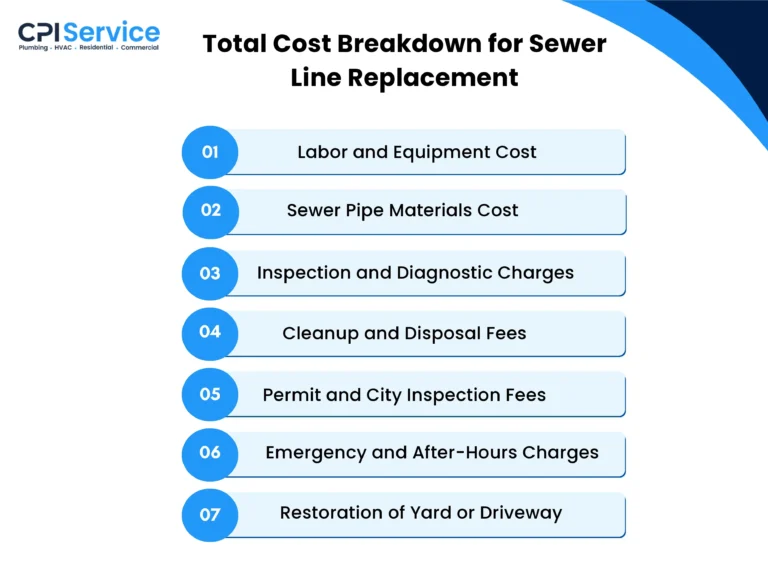
The total sewer line replacement cost includes labor, equipment, sewer pipe materials, permits, inspections, cleanup, and restoration work. Labor and excavation equipment account for roughly 60% to 70% of the total project cost, while sewer pipe materials make up around 10% to 20%, depending on the pipe type and the length of the sewer line. Permit and inspection fees contribute 5% to 10%, while yard, driveway, and concrete restoration can add another 10% to 30% to the final sewer line replacement cost, especially after extensive trench excavation.
How Much Do Labor and Equipment Cost for Sewer Line Replacement?
Labor and equipment costs for sewer line replacement range from $1,500 to $10,000+, depending on excavation depth, sewer pipe length, trenching difficulty, and the need for heavy equipment. Costs increase when contractors use excavators, trench-shoring systems, hydro-jetting equipment, concrete-cutting tools, or trenchless sewer-replacement machinery. Deep sewer lines, difficult soil conditions, restricted access, and restoration work can further raise labor hours and equipment usage. For example, replacing a sewer line beneath a concrete driveway in San Jose or Chicago can increase labor and equipment costs to $8,000-$15,000+, while a simple backyard replacement may cost only $1,500-$4,000.
How Much Do Sewer Pipe Materials Cost?
Sewer pipe material costs range from $3 to $75 per linear foot, depending on the sewer pipe material used. PVC sewer pipes cost less because they are lightweight and easier to install, whereas cast-iron and other specialized sewer pipe materials cost more due to their durability, weight, corrosion resistance, and installation complexity. Total material price increases with longer sewer lines, larger pipe diameters, and deeper sewer pipe installations. Material pricing is often included in the plumbing contractor’s total per-foot estimate, although homeowners should verify the specific sewer pipe grade and material quality being installed.
How Much Do Sewer Camera Inspection and Diagnostic Charges Cost?
Sewer camera inspection and diagnostic charges range from $100 to $1,200, depending on sewer pipe accessibility, inspection complexity, sewer line length, and diagnostic requirements. This diagnostic process involves feeding a high-resolution, waterproof camera through the sewer line to locate cracks, collapsed pipes, root intrusion, blockages, or misalignment before sewer line replacement begins. Sewer inspection costs increase when plumbers must perform hydro jetting, leak detection, pipe locating, or advanced sewer diagnostics.
How Much Do Cleanup and Disposal Fees Cost?
Cleanup and disposal fees range from $200 to $1,500+, depending on the amount of excavation debris, the type of damaged sewer pipe material, the amount of soil to be removed, and applicable environmental disposal regulations. Costs often increase when plumbers must haul away heavy cast-iron pipes, contaminated soil, broken concrete, or deteriorated Orangeburg sewer pipes, all of which require specialized disposal methods. Large excavation projects and municipal dumping regulations can further raise hauling and landfill expenses. Some plumbing companies include basic cleanup in the sewer line replacement estimate, while others charge disposal and restoration costs separately.
How Much Do Permit and City Inspection Fees Cost?
Permit and city inspection fees range from $100 to $2,000+, depending on municipal regulations, excavation permits, roadway access requirements, and plumbing compliance inspections. Price increases when sewer line replacement projects require street-cut permits, sewer lateral permits, traffic control approvals, or multiple city inspections before excavation and installation work can proceed. Large metropolitan areas often charge higher permit and inspection fees due to stricter plumbing compliance standards and municipal utility regulations.
How Much Do Emergency and After-Hours Sewer Line Replacement Services Cost?
Emergency and after-hours sewer line replacement costs range from $3,000 to $10,000+, with emergency services often adding a 25% to 50% premium or increasing labor rates to 1.5x to 2x standard pricing. After-hours service calls and diagnostic fees alone may cost $50 to $225+, while overtime labor, urgent excavation scheduling, deep sewer line access, and immediate sewer backup mitigation further increase the total cost. Weekend, holiday, and nighttime sewer line replacement projects command the highest rates, especially when plumbers must perform concrete cutting, deep excavation, or rapid trenchless sewer replacement.
How Much Does Yard, Driveway, or Concrete Restoration Cost?
Yard, driveway, or concrete restoration costs range from $500 to $5,000+, depending on the extent of landscaping damage, whether concrete replacement or asphalt restoration is needed, the size of the excavation, and the type of surface material. Costs increase when contractors must restore large driveways, sidewalks, patios, irrigation systems, retaining walls, or decorative landscaping following sewer line replacement. Concrete cutting, asphalt replacement, sod installation, and hardscape reconstruction can significantly increase the final restoration cost, especially when traditional trench excavation methods are used.
Is Sewer Line Repair Cheaper Than Sewer Line Replacement?
Yes, sewer line repair is cheaper than a full replacement, with repair costs ranging from $500 to $4,000, while full sewer line replacement often ranges from $3,000 to $20,000+, depending on excavation depth, pipe material, and restoration work. Spot repairs, pipe relining, and hydro jetting lower costs by repairing only the damaged sections rather than replacing the entire sewer pipe. However, severely collapsed sewer lines, recurring sewer backups, widespread corrosion, or extensive root intrusion often make a full sewer line replacement more cost-effective in the long term.
To determine whether sewer line repair or replacement is perfect for you, consider the following:
- The Spot Repair Logic: If a sewer camera inspection shows that most of the sewer pipe remains in good condition with only one isolated crack or break, a spot repair can significantly reduce costs compared to a full sewer line replacement.
- The Age Factor: Older Orangeburg and heavily corroded cast-iron sewer pipes often continue deteriorating after temporary repairs, increasing the likelihood of future sewer line failures and additional repair costs.
- Cumulative Costs: Frequent service calls for hydro jetting or temporary patches can quickly exceed the one-time cost of a modern, trenchless replacement with a 50-year warranty.
Should You Replace a Sewer Line Yourself or Hire a Professional?
You should hire a professional for a sewer line replacement to ensure safer work, proper permitting, and long-term durability than a DIY replacement. Sewer line replacement often involves deep excavation, plumbing permits, trench safety requirements, sewer camera inspections, municipal plumbing compliance, and specialized trenchless sewer replacement equipment. While DIY sewer repairs may appear less expensive upfront, mistakes involving sewer pipe slope, municipal connections, excavation damage, or code violations can significantly increase the total cost of a sewer line replacement through failed inspections, repeated excavation, and emergency repairs.
What Sewer Line Replacement Work Requires a Licensed Contractor?
Sewer line replacement work requires a licensed contractor when the project involves municipal sewer connections, deep excavation, roadway access, plumbing permits, or code-compliant sewer pipe installation. Licensed plumbers manage trench excavation, sewer lateral replacement, trenchless sewer replacement, permit approvals, and city inspections to ensure the sewer line replacement meets local plumbing compliance requirements.
Sewer line replacement work requiring a licensed contractor includes:
- Municipal Sewer Connections: Sewer line connections to public sewer mains often require licensed plumbing contractors and city inspection approval.
- Deep Excavation and Trenching: Sewer lines deeper than 4-5 feet may require trench safety systems, excavation permits, and professional excavation equipment.
- Permit and Code Compliance: Many cities require licensed contractors to obtain plumbing permits and complete sewer line replacement work in accordance with municipal plumbing codes.
What Cost Risks Come With DIY Sewer Line Replacement?
DIY sewer line replacement can create significant financial risks when improper excavation, incorrect sewer pipe installation, failed inspections, or property damage require additional repairs. While homeowners may attempt to reduce upfront labor costs, mistakes involving sewer pipe slope, trench depth, municipal sewer connections, or waterproofing and sealing often increase the total cost of sewer line replacement.
Major cost risks with DIY sewer line replacement include:
- Failed Inspections and Permit Violations: Incorrect sewer line installation may require complete re-excavation and additional permit fees after failed city inspections.
- Property and Utility Damage: DIY sewer line replacement can damage foundations, irrigation systems, gas lines, or underground utilities, increasing repair expenses.
- Improper Sewer Pipe Installation: Incorrect pipe slope, poor sealing, or incompatible sewer pipe materials can lead to recurring sewer backups, leaks, and premature sewer line failure.
Why Is Choosing a Professional for Sewer Line Replacement Worth the Cost?
Hiring a professional for sewer line replacement is worth the cost because licensed plumbers reduce excavation errors, ensure plumbing code compliance, use specialized sewer replacement equipment, and help prevent recurring sewer line failures. Professional sewer line technicians also improve project accuracy through sewer camera inspections, trench safety procedures, and proper sewer pipe installation, lowering long-term sewer repair and restoration costs. In many projects, professional labor and equipment services account for $2,000 to $ 8,000 or more of the total replacement cost, especially for deep or complex sewer line installations.
How Do Professionals Help You Avoid Costly Sewer Line Replacement Mistakes?
Professional plumbers help avoid costly sewer line replacement mistakes by accurately identifying sewer pipe damage, adhering to plumbing compliance requirements, and installing sewer pipes correctly the first time. Sewer camera inspections, trench safety procedures, and proper sewer pipe slope calculations reduce the risk of recurring sewer backups, failed inspections, water damage, and repeat excavation work. Professional inspections and proper installation services from licensed sewer line service providers cost $300 to $2,500+, but they can help homeowners avoid repeat sewer replacement expenses that can exceed $5,000 to $15,000.
How Do Specialized Tools Save Time and Money During Sewer Line Replacement?
Specialized sewer line replacement tools save time and money by improving excavation accuracy, reducing labor time, and minimizing unnecessary property damage. Professional plumbers use sewer camera inspection systems, hydro jetting equipment, trenchless sewer replacement machinery, pipe locators, and excavation equipment to diagnose sewer pipe damage and complete repairs more efficiently. Depending on the project, advanced equipment usage can add $500 to $5,000+ to the job, particularly when trenchless technology or hydro jetting is required. Although these added costs may seem high initially, specialized tools often reduce long-term repair expenses by preventing repeat excavation, minimizing restoration work, and helping the sewer replacement process run more smoothly and efficiently.
How Do Licensed Professionals Handle Permits, Inspections, and Code Rules?
Licensed professionals handle permits, inspections, and plumbing code requirements by managing permit applications, scheduling city inspections, and ensuring sewer line replacement work meets local plumbing compliance standards. Professional plumbers understand municipal sewer connection requirements, excavation regulations, trench safety rules, and approved sewer pipe installation methods. Permit fees, inspection costs, and code-related compliance expenses can range from $300 to $ 2,000 or more, depending on local regulations and project complexity. Although these additional costs can increase the upfront project budget, proper permit handling and code-compliant installation help homeowners avoid failed inspections, fines, project delays, and expensive rework later.
How Can Homeowners Reduce Sewer Line Replacement Costs?
Homeowners can reduce sewer line replacement costs by comparing contractor estimates, choosing suitable trenchless sewer replacement methods, scheduling work during slower seasons, and preparing the property before excavation begins. These cost-saving strategies reduce labor, excavation, restoration, and equipment expenses, although final savings depend on the sewer pipe’s condition, property access, municipal permit requirements, and the complexity of the replacement. For example, reducing unnecessary restoration work on a landscaped yard or driveway can save $1,000 to $5,000 during a sewer replacement project.
How Can Multiple Estimates Lower Sewer Line Replacement Cost?
Getting multiple sewer line replacement estimates can lower total project costs by helping homeowners compare labor pricing, sewer pipe materials, excavation methods, warranty coverage, and restoration charges. Comparing quotes from licensed contractors may reveal price differences of $2,000 to $ 6,000 or more for the same sewer replacement scope. For example, one sewer line contractor may include permit fees, excavation, and driveway restoration in an $11,000 estimate, while another may charge extra for those services, increasing the final project cost.
When Can Trenchless Replacement Reduce Total Sewer Line Cost?
Trenchless sewer replacement can reduce the total cost of sewer line replacement when the existing sewer pipe is suitable for pipe relining or pipe bursting. It lowers excavation, landscaping, driveway, and concrete restoration expenses by minimizing open trench work. In properties with expensive hardscaping or limited access, trenchless methods can reduce restoration costs by $2,000 to $ 10,000 or more compared to traditional excavation. For example, avoiding the removal of a concrete driveway or patio can significantly lower overall project expenses.
Can Off-Season Scheduling Lower Sewer Line Replacement Cost?
Yes, scheduling sewer line replacement during slower plumbing seasons, such as fall or winter, can reduce labor and scheduling costs when plumber demand is lower. Some plumbing companies offer lower rates or flexible scheduling during non-emergency periods, helping homeowners save hundreds or even thousands of dollars on labor costs. For example, a planned sewer replacement completed during winter may cost less than an emergency summer replacement that requires after-hours labor and urgent excavation services.
How Can Yard Prep Reduce Sewer Line Replacement Cost?
Preparing the yard before sewer line replacement can reduce labor time, excavation delays, and restoration expenses during the project. Homeowners may lower costs by clearing landscaping obstacles, moving outdoor furniture, marking irrigation systems, trimming tree roots, and improving excavation access before contractors begin work. Simple preparation steps can reduce labor and cleanup costs by several hundred to several thousand dollars. For example, clearing access to the sewer line path before excavation may reduce equipment time and prevent additional landscaping restoration charges.

Alex Hamilton is the owner of CPI Service, a trusted provider of plumbing and HVAC solutions. With over 35+ years of hands-on experience in the industry, He brings deep technical expertise and a proven track record in delivering reliable installation, maintenance, and repair services. His leadership ensures that CPI Service consistently upholds the highest standards of quality, safety, and customer satisfaction.
