

 Emergency Plumbing
 Plumbing Repairs
 Water Heaters
 Drain Cleaning
 Sewer Service
 Faucets & Fixtures
 Repiping
 Toilet Plumbing
 Trenchless
 Plumbing Leaks
 Air Conditioning
 Heating
 Minisplit Systems
 Heat Pumps
 HVAC Components
 HVAC Rebates
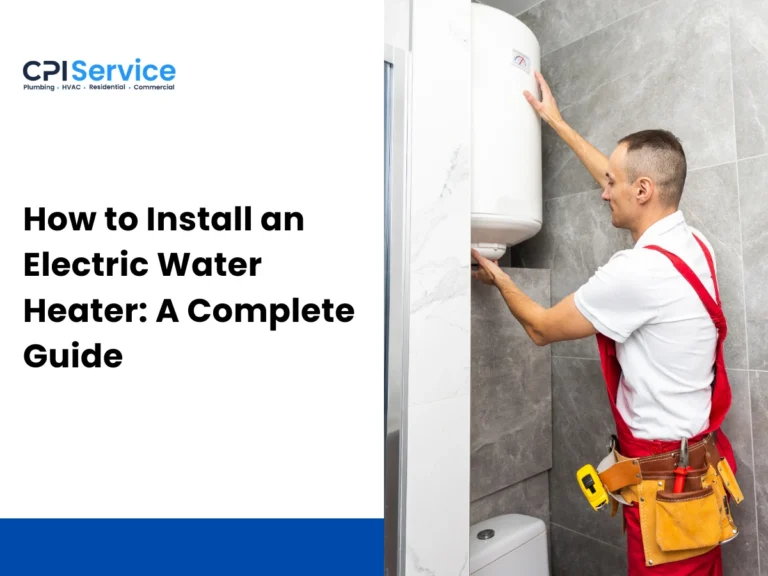
How to Install Electric Water Heater: A Complete Guide
Electric water heater installation involves preparing the installation space, selecting the right unit, and following key safety protocols to comply with the National Electric Code (NEC) and local regulations. Following a structured guide ensures a safe, efficient, and long-lasting operation.
To begin the installation, consider the right electric water heater type based on your household’s needs, available space, and energy efficiency preferences. Electric tank water heaters are affordable and reliable for most homes, while tankless water heaters offer on-demand heating and space-saving benefits. For spaces like garages or basements, heat pump water heaters are a more efficient choice, especially in unconditioned areas. Once you have assessed these factors, gather the necessary materials such as PVC pipes, compression fittings, Teflon tape, and a T&P relief valve. Avoid using an undersized electrical circuit, level the unit properly, and always turn off the power and water supply before starting to ensure safety.
This guide will take you through each step of the installation, help you avoid common installation mistakes, and ensure compliance with safety standards. Following these instructions will ensure a confident and efficient installation process.
Things to Consider Before Electric Water Heater Installation
Before you begin your electric water heater installation, it is crucial to carefully consider several factors that will ensure the installation is both efficient and compliant with safety standards. By addressing these considerations in advance, you can avoid common pitfalls and ensure a successful installation process.
Choose the Right Size and Energy-Efficient Electric Water Heater
Selecting the right size and energy efficiency for your water heater is crucial for optimal performance and cost savings. Consider your household’s water usage and the space where the unit will be installed.
- 40-50 gallon tank for average-sized households
- Tankless heaters for space-saving and on-demand heating
- Heat pump water heaters for efficiency in unconditioned spaces like the garage and the basement
- Energy Star rating and annual operating cost for long-term energy savings
Plumbing Tools and Materials Requirements
Before starting the installation, make sure you have the right plumbing tools and materials at hand to complete the job. Having everything ready will help avoid delays during installation and ensure the job is done safely and correctly. Using high-quality essential plumbing tools and materials is essential for ensuring a long-lasting, secure installation.
Tools Required for Electric Water Heater Installation
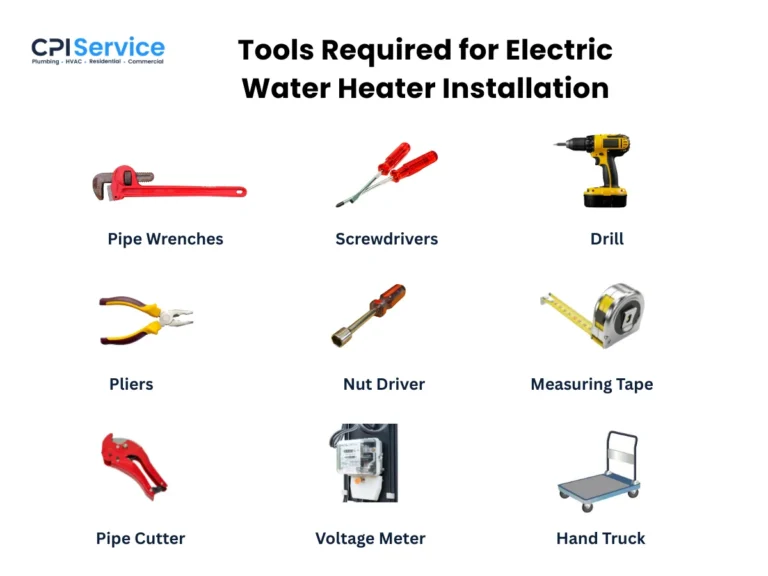
- Pipe wrenches
- Screwdrivers
- Drill
- Pliers
- Nut Driver
- Measuring Tape
- Pipe Cutter
- Voltage Meter
- Hand Truck
Materials Required for Electric Water Heater Installation
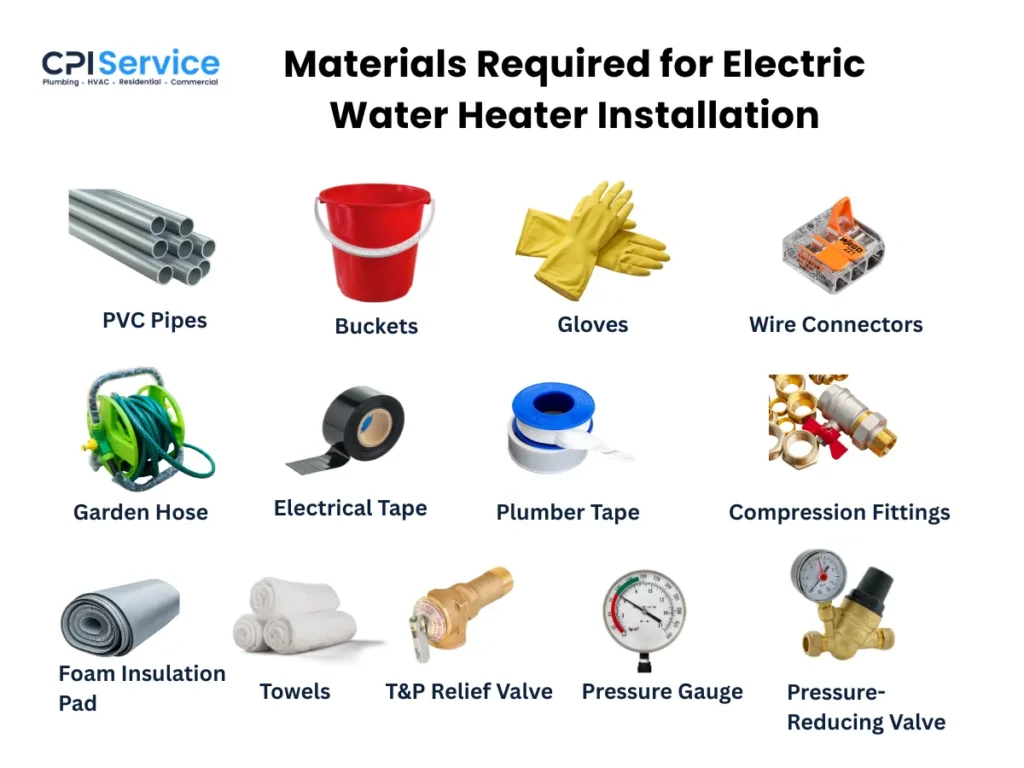
- PVC Pipes
- Buckets
- Gloves
- Wire Connectors
- Garden Hose
- Electrical Tape
- Plumber Tape
- Compression Fittings
- Teflon Tape
- Foam Insulation Pad
- Towels
- T&P Relief Valve
- Pressure Gauge
- Pressure-Reducing Valve
Safety Precautions & Code Compliance
Safety is a top priority when installing an electric water heater. Following safety procedures and ensuring compliance with local building codes and NEC (National Electric Code) standards will help prevent hazards like electric shocks, water leaks, or fire risks. Ensuring your water heater is correctly installed will not only keep you and your home safe, but it will also ensure the unit operates efficiently.
- Turn off the circuit breaker to ensure no power is running
- Follow NEC guidelines for electrical connections
- Ensure plumbing connections are sealed with compression fittings and Teflon tape
- Comply with local building codes and safety standards
Permit
In many areas, you will need a permit before installing an electric water heater. This ensures that your installation complies with local safety standards and regulations. Failing to obtain a permit could result in fines, issues with insurance, or complications when selling the property. Always verify with your local building department whether a permit is required for your specific installation.
- Check with your local building department to confirm if a permit is needed
- Ensure the installation follows code enforcement requirements
- Obtain necessary inspections to avoid fines or complications when selling your home
What is the Step-by-Step Electric Water Heater Installation Process?
To install an electric water heater, remove the old unit, prepare the installation space, position the new unit, make plumbing and electrical connections, and perform safety checks. After removing the old unit, place the new water heater in position and connect the cold water inlet, hot water outlet, and 240-volt circuit. Install the T&P relief valve, check for leaks, and power up the system to confirm proper operation.
Step 1: Remove and Replace the Old Water Heater
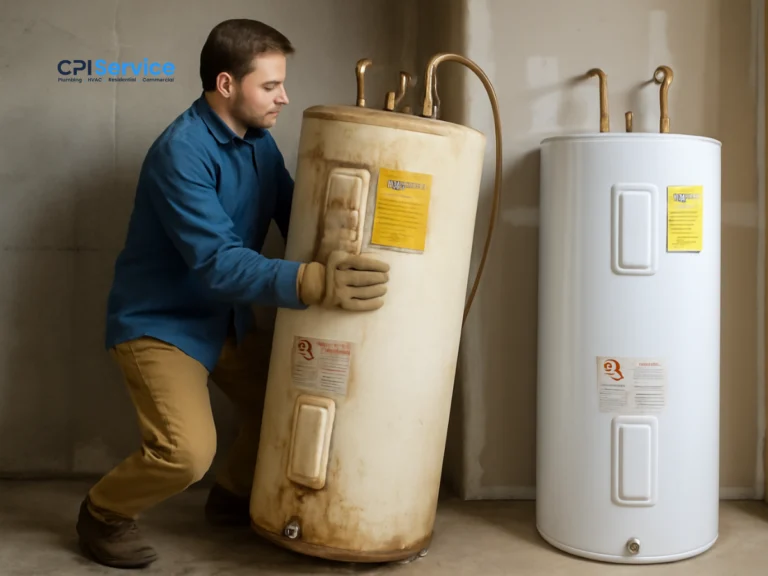
Removing the old water heater requires shutting off power, draining the tank, disconnecting the plumbing, and preparing the area for the new unit. This step ensures the installation space is safe, free of leftover pressure, and ready for new fittings, flex supply lines, and electrical connections that follow code. Always confirm the power status with a voltage meter and secure the area with a drain pan and bucket to manage runoff.
- Disconnect electrical connections safely: Turn off the circuit breaker and verify there’s no power using a circuit tester. Remove the electrical cover plate, then disconnect the wiring from the junction box and release the strain-relief nut to safely disconnect the electrical connections.
- Drain the old tank: Before removing the old water heater, attach a garden hose to the drain valve and direct the water to a floor drain or outdoor spigot. Open a hot water faucet to release pressure and allow the tank to drain fully. Use an unglued cap to manage water flow and monitor with a pressure gauge.
- Disconnect water lines and plumbing connections: Shut off the inlet water supply with shutoff valves and remove the flex supply lines or rigid pipes using a wrench or pliers. Use a pipe cutter for PVC, CPVC, or PEX pipes. Check for worn compression fittings or bacterial growth before removing and replacing old components.
Step 2: Position the New Electric Water Heater
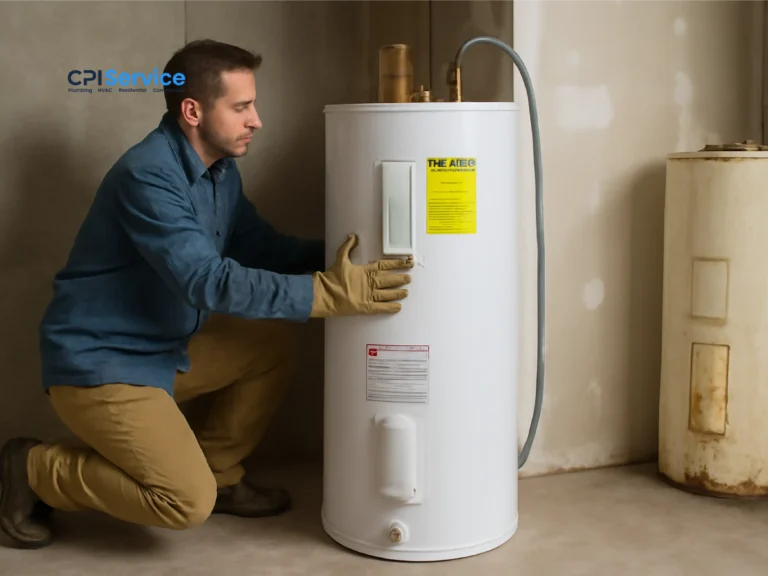
To install the new electric water heater, you need to ensure it is placed correctly in the designated space, properly leveled, and securely supported. Following the manufacturer’s guidelines will guarantee that the unit operates efficiently and safely. Make sure the space meets the required clearance for plumbing and electrical connections, and confirm that the floor can support the weight of the new unit.
- Clear the space and check the floor support: Before placing the new electric water heater, clear the area of any obstacles. Ensure the floor is stable and strong enough to hold the unit’s weight. If necessary, reinforce the area with plywood or another solid base to prevent any movement or instability over time.
- Verify clearance requirements: Check the manufacturer’s instructions for the required clearance around the unit. Ensure there is enough space for proper ventilation, maintenance access, and safe operation. This clearance is crucial to avoid overheating or creating obstructions that may interfere with the unit’s performance.
- Level and Secure the Unit: Place the electric water heater in the prepared space and use a spirit level to ensure the unit is perfectly level. If the unit is not level, use shims or small supports to adjust its position. Once the heater is level, secure it to the floor or surrounding structure using appropriate mounting hardware to prevent any shifting during operation.
Step 3: Install the Temperature and Pressure Relief Valve
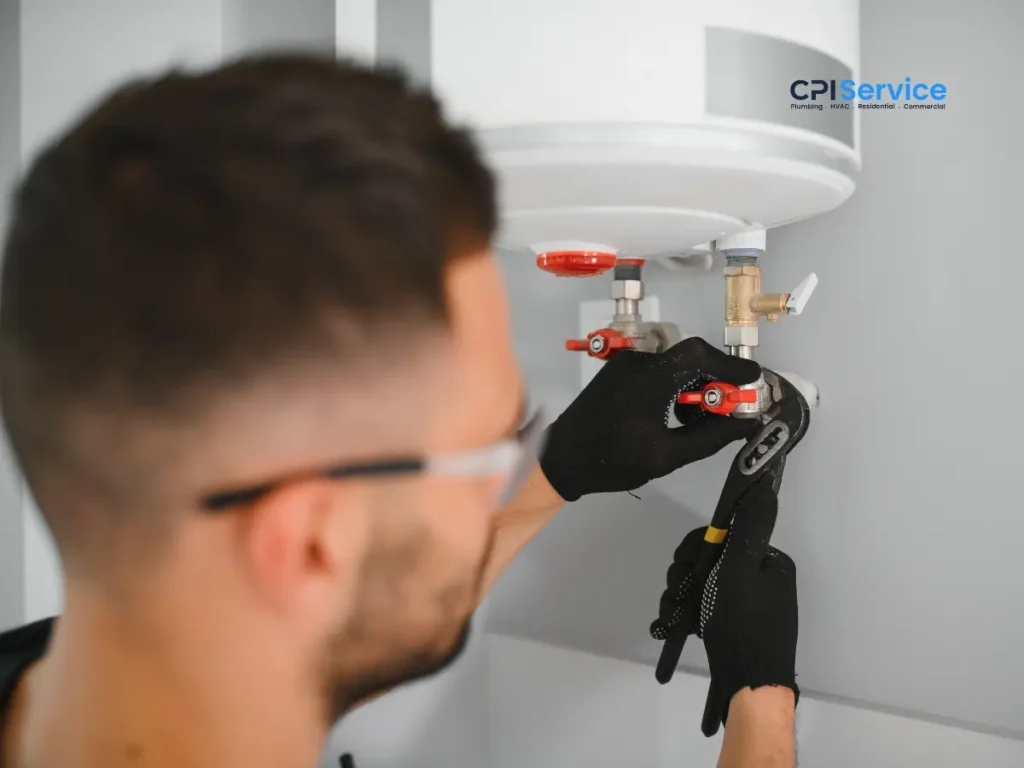
The Temperature and Pressure (T&P) relief valve is a crucial safety feature that prevents the electric water heater from overpressurizing or overheating. Proper installation of the valve ensures safe operation by releasing excess pressure or temperature in the system, reducing the risk of tank rupture or explosion.
Follow the steps below to properly install the valve:
- Locate the T&P valve port: Find the designated port on the top or side of the water heater where the valve will be installed.
- Prepare the T&P relief valve: Wrap Teflon tape around the valve’s threads to ensure a leak-proof seal.
- Attach the T&P valve: Screw the valve into the port securely, tightening it carefully without over-tightening to avoid damaging the threads.
- Install the discharge pipe: Connect the discharge pipe to the valve and direct it downward to a floor drain or outside for safe water discharge.
- Check for obstructions: Ensure the discharge pipe is free from kinks or debris that could block the flow.
- Secure the pipe: Make sure the pipe is firmly attached to prevent accidental leaks.
Step 4: Connect Water Lines
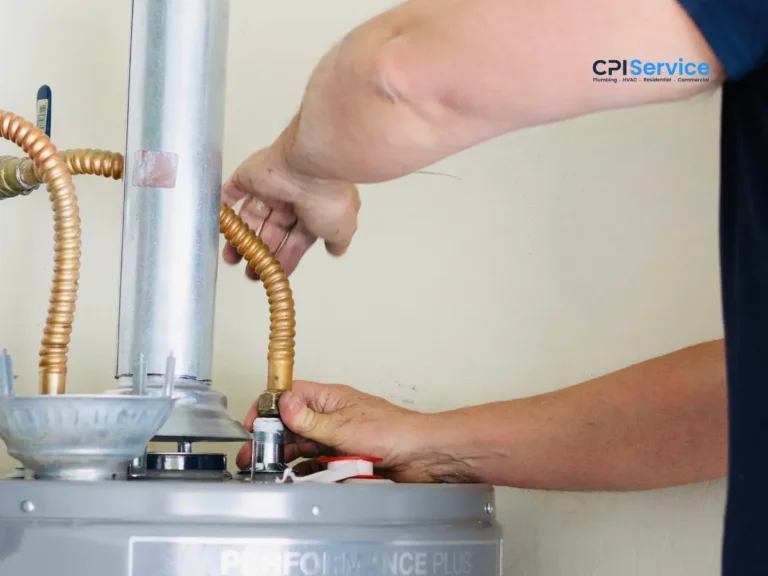
To ensure proper operation, connecting the cold water supply and hot water outlet to the electric water heater is essential for efficient water flow and system performance. Tight, leak-proof connections are necessary to prevent water damage and ensure the unit operates at peak efficiency.
- Connect Cold Water Supply: Attach the cold water inlet pipe to the electric water heater’s cold inlet port. Use compression fittings or flexible plastic pipe for a leak-proof connection. Apply Teflon tape to the threads for extra sealing and tightness, ensuring no leaks around the joint.
- Connect Hot Water Outlet: Attach the hot water outlet pipe to the corresponding port on the water heater. As with the cold supply, use compression fittings or a flexible plastic pipe to make the connection secure. Make sure the connection is tight and aligned properly to avoid any potential issues.
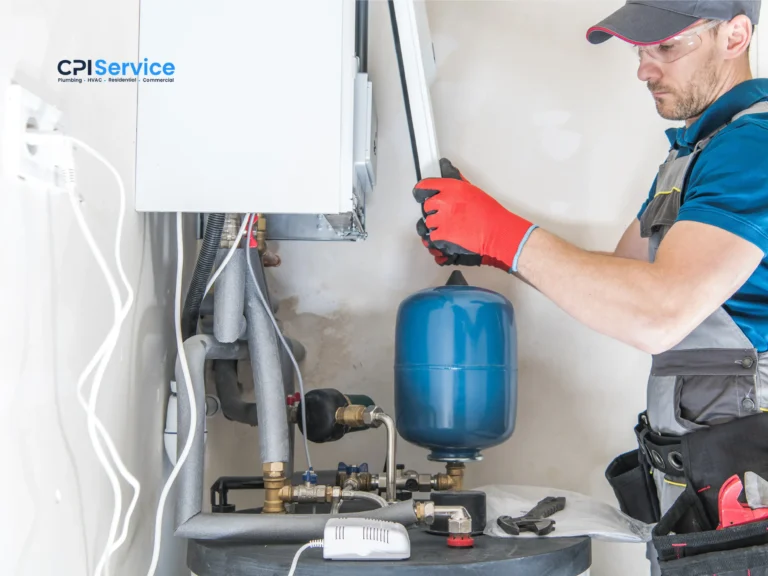
- Install Expansion Tank (if required): In some cases, an expansion tank is needed to regulate pressure and protect the water heater and plumbing system. Install the expansion tank on the cold water line, usually just before the water heater’s inlet. Ensure it is securely fastened to prevent any movement or damage.
Step 5: Fill the Tank
Before powering on the electric water heater, it is essential to fill the tank with water to prevent damage to the heating elements and ensure proper functioning. This process eliminates air pockets, ensures the system is fully primed, and prepares the unit for efficient operation.
- Open the cold water supply: Slowly open the cold water inlet valve to allow the tank to fill gradually. This helps prevent sudden pressure surges that could damage the system.
- Open a hot water faucet: Turn on a hot water faucet in a nearby sink or fixture to let air escape as the tank fills. This step ensures the system is filled and air-free.
- Check for leaks: As the tank fills, monitor the cold water inlet and hot water outlet connections for any signs of leaks. If you detect any, tighten the fittings immediately to avoid water damage. Also, ensure the T&P relief valve is working properly to handle any excess pressure.
Step 6: Make Electrical Connections
Making the correct electrical connections is vital to ensure the electric water heater operates safely and efficiently. Improper wiring can cause malfunctions or, worse, electrical fires. This step ensures the water heater is properly connected to a 240-volt circuit with the right amperage, reducing the risk of electrical hazards. It is important to follow both the manufacturer’s electrical specifications and local electrical codes to guarantee safety and compliance.
- Verify Electrical Requirements: Confirm the water heater’s voltage and amperage needs, typically a 30-amp circuit breaker and 240 volts. Ensure your electrical panel has the capacity to handle this load. If not, upgrade the existing circuit.
- Safety First: Turn Off Power: Always switch off the circuit breaker before working with the electrical connections. Use a voltage meter to double-check that the power is off.
- Wire the Water Heater: Connect the hot (black) and neutral (white) wires to their respective terminals on the junction box. Attach the ground wire to the ground terminal for safety.
- Secure Connections: Tighten wire connectors to ensure all connections are firm and insulated. Check that the strain-relief nut is properly tightened to prevent wire damage.
Step 7: Power Up the Electric Water Heater
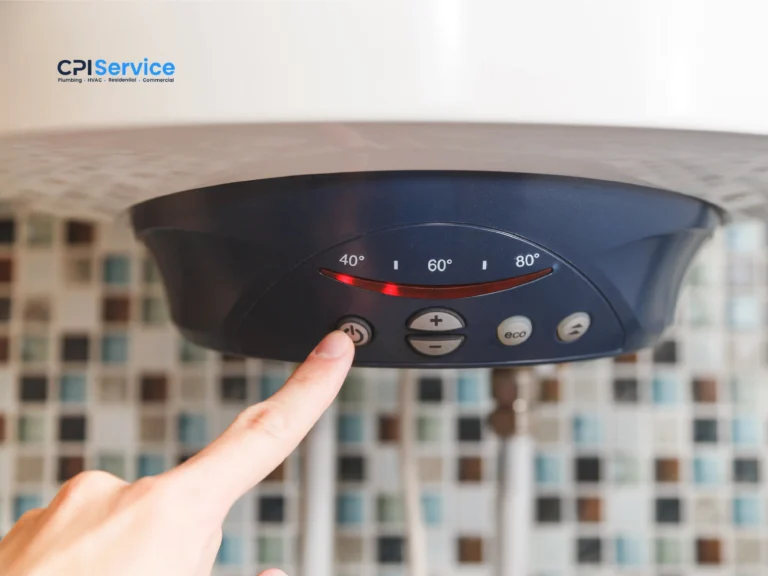
Once all the connections are made and the system is ready, powering up the electric water heater ensures it operates correctly and begins heating water efficiently. This final step involves verifying electrical connections and confirming the unit is working as expected.
- Check all connections: Before powering up, double-check the electrical connections and water line connections to ensure they are secure and free of leaks.
- Turn on the power: Switch the circuit breaker back on to restore power to the water heater. Monitor the system to ensure that it is properly powered and functioning.
- Test the electric water heater unit: Turn on a hot water faucet to check the water temperature and verify that the heater is heating water as expected. If the water doesn’t heat properly, turn off the unit and recheck the wiring and connections.
- Inspect for leaks: As the water heater fills and begins operating, carefully inspect around the cold water inlet, hot water outlet, and drain valve for any signs of leaks. Tighten fittings if necessary.
What is the Best Type of Electric Water Heater for Installation?
Selecting the best type for electric water heater installation depends on factors like household size, energy efficiency, available space, and installation complexity. The electric tank water heater is the most traditional and cost-effective choice, while the electric tankless water heater offers space-saving benefits and on-demand hot water. The electric heat pump water heater provides the highest energy efficiency but requires more space and a more complex installation process.
Electric Tank Water Heater
The electric tank water heater is a reliable and straightforward option for many homeowners. It is the most common type, making it easier and more affordable to install. These units store heated water in a tank, providing a consistent supply, but they require a larger installation space.
- Installation consideration: Requires adequate space for the tank and clearance for plumbing and electrical connections. It is easy to install, but it can be bulky.
- Installation Time: 2-3 hours, longer if plumbing or electrical upgrades are necessary
Pros | Cons |
Lower upfront cost | Takes up more space |
Reliable for large households | Higher energy consumption over time |
Easy installation | Limited hot water supply (depends on tank size) |
Electric Tankless Water Heater
Installing a tankless water heater requires more detailed planning, as it heats water on demand without a storage tank. These systems are compact and energy-efficient, but they may require electrical upgrades and specialized installation to accommodate the higher voltage needs.
- Installation Considerations: Needs proper wiring for a 240-volt circuit, often requires an upgrade to electrical systems, and may require venting in some models.
- Installation Time: 4-6 hours, especially if electrical or venting upgrades are needed
Pros | Cons |
Compact and space-saving | Higher upfront cost |
Energy-efficient, reduces energy waste | May require electrical upgrades |
Endless hot water supply | Limited flow rate for larger households |
Electric Heatpump Water Heater
For homeowners looking for the most energy-efficient option, the electric heat pump water heater is an excellent choice, though installation can be more complex. These systems extract heat from the air to warm water, reducing energy consumption but requiring more space for airflow and setup.
- Installation Considerations: Requires significant space for air circulation, and installation may be more complex due to the pump and air handling needs.
- Installation Time: 4-8 hours, longer due to space and electrical upgrades
Pros | Cons |
Highly energy-efficient | Larger size and requires more space |
Reduces electricity costs over time | Higher upfront cost |
Environmentally friendly | More complex installation process |
What are the Common Electric Water Heater Installation Mistakes to Avoid?
Common electric water heater installation mistakes include incorrect sizing, improper electrical connections, neglecting safety features, and overlooking plumbing checks. These errors can result in inefficient performance, safety hazards, and costly repairs. On the flip side, avoiding these mistakes during installation helps save time and money while preventing potential hazards.
- Incorrect sizing: Choosing a water heater that is too small or too large can cause inefficiency and an inconsistent hot water supply. Ensure the unit size matches your household’s usage needs.
- Improper electrical connections: Using incorrect wire sizes, improper grounding, or overloading circuits can result in electrical malfunctions or fire risks. Always follow the manufacturer’s electrical specifications and check connections with a voltage meter.
- Neglecting proper ventilation (for gas models): If installing a gas-powered heater, inadequate venting can lead to carbon monoxide buildup. Follow safety guidelines for venting and air circulation.
- Not checking for leaks: Unchecked plumbing connections can cause water damage. Always inspect the cold water inlet, hot water outlet, and other connections for leaks before use.
- Forgetting to install a T&P relief valve: The T&P relief valve is essential for preventing over-pressurization. Ensure it is installed correctly and tested for functionality.
- Failure to secure the water heater: Not properly securing the unit can lead to instability, especially in areas with seismic activity. Use seismic strapping to secure the water heater in place.
- Overlooking code compliance: Failing to comply with local building codes and NEC standards can lead to fines and unsafe installations. Always check with your local building department before installation.
- Using old or incompatible fittings: Using outdated or incompatible compression fittings and pipes can cause leaks or system failure. Ensure all components are new and compatible with the unit.
- Not flushing the system before use: Failing to flush out the system before use can lead to sediment buildup and inefficient operation. Flush the tank to remove any debris before turning on the unit.
How Much Does it Cost to Install a New Electric Water Heater?
The average cost to install a new electric water heater typically ranges from $800 to $4,500, depending on the type of unit, labor requirements, and any electrical or plumbing upgrades needed.
Cost by Electric Water Heater Type Installation:
- Electric Tank Water Heater: $800 – $2,500 (includes unit + installation)
- Electric Tankless Water Heater: $1,200 – $3,500+ (higher due to electrical upgrades and specialized installation)
- Electric Heat Pump Water Heater: $1,800 – $4,500 (higher unit cost + more complex installation)
Factors Affecting Installation Cost:
- Unit Type and Size: Larger tanks or advanced systems like heat pump models cost more.
- Labor Rates: Professional installation fees vary by region and complexity.
- Electrical Upgrades: Adding a 240-volt circuit, upgrading a circuit breaker, or updating wiring increases cost.
- Plumbing Modifications: Replacing shutoff valves, adding new fittings, or installing flex supply lines.
- Permit Fees: Required by the local building department; typically $50–$200.
- Materials and Accessories: Drain pan, T&P relief valve, compression fittings, PVC or PEX, insulation sleeves, condensate lines, expansion tank, cover plates.
- Location of Installation: Hard-to-access areas like basements or tight spaces increase labor time.
- Old Unit Removal: Hauling away the old unit may add $50–$150.
- Brand and Energy Efficiency: Higher-efficiency or Energy Star models cost more upfront.
What are the Essential Tips for a Newly Installed Electric Water Heater?
To ensure your newly installed electric water heater operates efficiently and lasts for years, follow these essential maintenance and usage tips.
- Set the thermostat to 120°F: This helps balance energy efficiency and safe water temperature, reducing the risk of burns and saving on energy costs.
- Inspect for leaks regularly: Check the cold water inlet, hot water outlet, and connections for leaks to prevent water damage and ensure efficiency.
- Flush the tank annually: Removing sediment buildup helps maintain heating efficiency and extends the life of the water heater.
- Replace the anode rod every 2-3 years: The anode rod helps prevent corrosion in the tank, ensuring the heater lasts longer.
- Check the pressure relief valve: Test the T&P relief valve periodically to ensure it is working properly and can release excess pressure when necessary.
- Turn off the electric water heater during vacations: If you will be away for a long period, switch off the water heater to save on energy costs.
- Keep the area around the heater clear: Avoid blocking airflow to the unit to ensure it runs efficiently and complies with safety regulations.
Why Hiring a Water Heater Installation Service Provider Is Important for Installing an Electric Water Heater?
Hiring a water heater installation service provider for your electric water heater helps ensure safe setup, proper performance, and compliance with local building codes. Trained water heater installers have the technical skill to manage electrical wiring, plumbing connections, and any required system upgrades. This reduces the risk of electrical faults, leaks, or water damage caused by improper installation.
Working with an experienced water heater installation specialist helps prevent expensive errors and supports efficient operation of the unit from day one. Certified water heater service providers follow manufacturer guidelines, which helps maintain warranty coverage and ensures the system meets required safety standards. This approach delivers long-term reliability and dependable hot water without unnecessary risks.
Electric Water Heater Installation FAQs
Does a plumber or electrician install a hot water heater?
Both a plumber and an electrician are typically needed for hot water heater installation. The plumber handles the plumbing connections, including the cold water inlet and hot water outlet, while the electrician takes care of the electrical connections, ensuring the unit is safely wired to a 240-volt circuit.
Can you install an electric water heater in a bathroom?
Yes, you can install an electric water heater in a bathroom, but you must follow local codes for electrical and ventilation requirements, especially in wet areas, to avoid any electrical hazards. A licensed electrician should assess the space to ensure safe installation.
How to check the water heater electrical connection?
To check the electrical connections, first ensure the circuit breaker is off. Use a voltage meter to confirm that there is no current running through the unit. Inspect the wiring connections for tightness and any visible signs of wear or corrosion. If in doubt, consult a professional to ensure proper and safe connections.
How to replace an electric water heater thermostat?
To replace the thermostat, turn off the power supply at the circuit breaker. Remove the access panel to the thermostat, disconnect the wiring, and remove the old thermostat. Install the new thermostat by reversing these steps, making sure all connections are secure. After installation, test the unit to ensure the thermostat is working correctly.
What is the electric water heater repair cost?
The cost to repair an electric water heater typically ranges from $500 to $1,800, depending on the issue. Common repairs like replacing a heating element or thermostat may cost between $150 and $300, while more complex repairs, such as replacing the tank or fixing major leaks, can be significantly more expensive. Always request an estimate from a professional before proceeding with repairs.
How long does an electric water heater take to heat up?
An electric water heater typically takes about 1.5 to 2 hours to heat up, depending on the type and size. Tankless models provide instant hot water, as long as the flow rate is within the unit’s capacity. Electric heat pump water heaters may take around 2 to 3 hours due to their energy-efficient heating method.

Alex Hamilton is the owner of CPI Service, a trusted provider of plumbing and HVAC solutions. With over 35+ years of hands-on experience in the industry, He brings deep technical expertise and a proven track record in delivering reliable installation, maintenance, and repair services. His leadership ensures that CPI Service consistently upholds the highest standards of quality, safety, and customer satisfaction.
