

 Emergency Plumbing
 Plumbing Repairs
 Water Heaters
 Drain Cleaning
 Sewer Service
 Faucets & Fixtures
 Repiping
 Toilet Plumbing
 Trenchless
 Plumbing Leaks
 Air Conditioning
 Heating
 Minisplit Systems
 Heat Pumps
 HVAC Components
 HVAC Rebates
18 Plumbing Safety Tips for Homeowners
Plumbing safety is an essential part of home maintenance to help protect your property from water damage and safeguard your family’s health. Issues such as leaks, burst pipes, clogged drains, and faulty water heaters can quickly lead to expensive repairs, mold growth, and even electrical hazards when water comes into contact with wiring. By monitoring plumbing systems regularly and resolving small issues early, homeowners can prevent minor problems from turning into hazardous or expensive issues.
With proper precautions, such as turning off the water supply before repairs and wearing safety equipment, homeowners can avoid costly damage and health risks. Simple actions like using proper tools, avoiding harsh chemical drain cleaners, and visually inspecting plumbing systems can make a significant difference. These safety measures not only reduce unexpected problems but also extend the lifespan of your plumbing, keeping it efficient and preventing major issues from developing.
Below are 18 plumbing safety tips to help homeowners keep their homes and plumbing systems safe:
- Use Personal Protective Equipment (PPE): Wear gloves, goggles, helmets, and protective vests to protect against physical and chemical hazards.
- Know Your Main Water Shut-Off Valve Location: Locate and test the shut-off valve to quickly control water flow during emergencies.
- Prevent Clogs Before They Happen: Use drain guards to prevent debris from entering pipes and causing clogs.
- Use Chemical Drain Cleaners Safely: Handle chemical cleaners carefully to avoid pipe damage and health risks.
- Protect Your Home from Water Damage: Install sump pumps, seal cracks, and clean gutters to protect your home from water-related damage.
- Winterize to Prevent Frozen Pipes: Insulate pipes and maintain a warm indoor temperature to prevent freezing in cold weather.
- Maintain Your Water Heater Safely: Regularly flush the heater’s tank and inspect for leaks to ensure safe water heating.
- Monitor Your Water Quality: Use filtration systems and test water quality frequently to keep water clean and safe for daily use.
- Practice Septic System Safety: Pump the septic tank every 3-5 years and avoid harmful chemicals to protect your system.
- Recognize Gas Line Hazards: Install carbon monoxide detectors and learn about the signs of a gas leak for safety.
- Schedule Regular Plumbing Inspections: Inspect your plumbing system every 6 to 12 months for early problem detection.
- Be Cautious with Hot Water: Set water heaters to a safe temperature to prevent scalding injuries.
- Avoid Overloading Your Garbage Disposal: Feed small amounts of garbage slowly and avoid harmful materials to prevent disposal jams.
- Check for Leaks: Inspect common leak points every couple of months to catch problems early and prevent water damage.
- Avoid DIY Repairs Beyond Your Skill Level: For complex repairs, call a professional instead of working on your own to avoid further damage or injury.
- Protect Your Pipes from Corrosion: Regularly test water for contaminants and inspect pipes for discoloration or rust.
- Install Proper Ventilation in Plumbing Areas: Use exhaust fans and dehumidifiers to keep the areas around plumbing systems dry and moisture-free.
- Be Prepared for Emergencies: Know how to shut off the water, keep emergency contacts accessible, and maintain supplies for unexpected plumbing failures.
#1 Plumbing Safety Tips for Homeowners: Use Personal Protective Equipment (PPE)
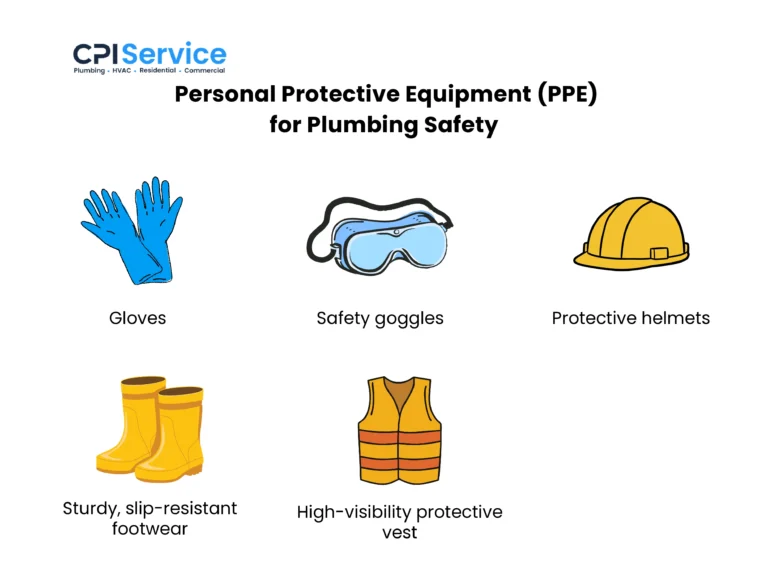
Gloves, goggles, helmets, and sturdy footwear protect homeowners while being exposed to contaminated water, sharp tools, and confined spaces. This equipment also offers protection from slips, chemical contact, and electrical hazards. Wearing appropriate PPE reduces the likelihood of accidents and supports long-term health and safety. For example, gloves protect your hands from cuts and chemicals, while goggles safeguard your eyes from debris and splashes.
Gloves, goggles, helmets, and sturdy footwear protect homeowners while being exposed to contaminated water, sharp tools, and confined spaces. This equipment also offers protection from slips, chemical contact, and electrical hazards. Wearing appropriate PPE reduces the likelihood of accidents and supports long-term health and safety. For example, gloves protect your hands from cuts and chemicals, while goggles safeguard your eyes from debris and splashes.
Essential PPE for plumbing work includes:
- Gloves
- Safety goggles
- Protective helmets
- Sturdy, slip-resistant footwear
- High-visibility protective vest
#2 Plumbing Safety Tips for Homeowners: Know Your Main Water Shut-Off Valve Location
Knowing the location of the main water shut-off valve, typically located near the water meter, in the basement, or along the main supply line, is crucial for homeowners to quickly prevent serious water damage during a plumbing emergency. A common mistake is homeowners not knowing where the shut-off valve is, causing delays during emergencies. For instance, a burst pipe can cause basement flooding and more than $10,000 in damage before the water supply can be turned off. Knowing how to locate and operate this valve allows homeowners to stop the water supply immediately and limit the damage before a professional plumber arrives.
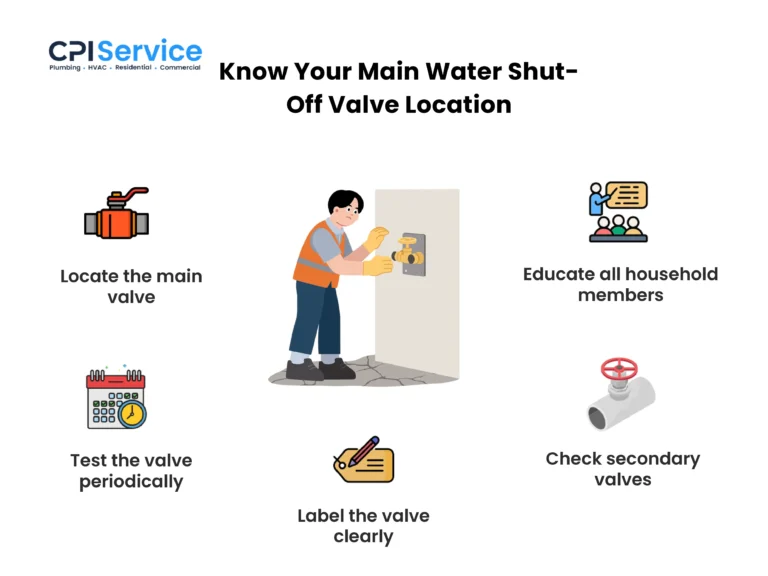
These steps help identify and maintain the shut-off valve safely:
- Locate the main valve: Usually installed near the water meter, basement, crawl space, or main line entry point.
- Test the valve periodically: Turn it off and back on at least once a year to ensure it has not corroded.
- Label the valve clearly: Use a tag or label for quick identification during emergencies.
- Educate all household members: Ensure everyone knows where it is and how to operate it safely.
- Check secondary valves: Appliances such as water heaters and outdoor faucets may have separate shut-offs for isolating smaller issues.
#3 Plumbing Safety Tips for Homeowners: Prevent Clogs Before They Happen
Clogs form when food, grease, or waste builds up inside pipes, restricting water flow and leading to significant issues like backups or pipe bursts, which are very expensive to repair. Homeowners can avoid such costly, time-consuming, and unnecessary plumbing repairs by preventing blockages early. Regular cleaning and mindful usage of drains help maintain an efficient plumbing system and prevent these problems from escalating into major repairs.
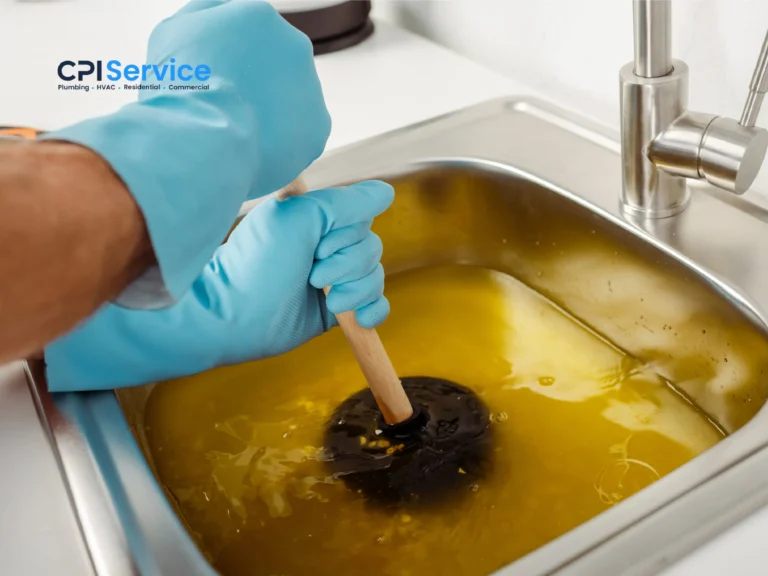
Simple prevention methods to keep your plumbing system free from clogs include:
- Use drain guards: Catch hair and food particles before they enter the pipes using drain guards that cost only about $30 to $60.
- Avoid grease disposal: Pouring oils or fats down the sink causes buildup that hardens and blocks water flow.
- Clean drains safely: Flush with hot water and mild solutions such as baking soda and vinegar.
- Educate household members: Remind everyone at home about proper disposal habits to prevent recurring clogs.
- Schedule maintenance: Have a professional plumber inspect slow or frequently clogged drains before they worsen.
#4 Plumbing Safety Tips for Homeowners: Use Chemical Drain Cleaners Safely
Chemical drain cleaners can dissolve clogs quickly, but their strong ingredients can also corrode older pipes or release harmful fumes when overused or misutilized. While these products can be effective, homeowners should consider using baking soda and vinegar for minor blockages, a plunger for mechanical removal, or pouring boiling water or dish soap to dissolve grease. Using chemical cleaners sparingly and safely helps protect both the plumbing system and the person handling them. Following the manufacturer’s instructions and ensuring proper ventilation also promotes safe cleaning practice.
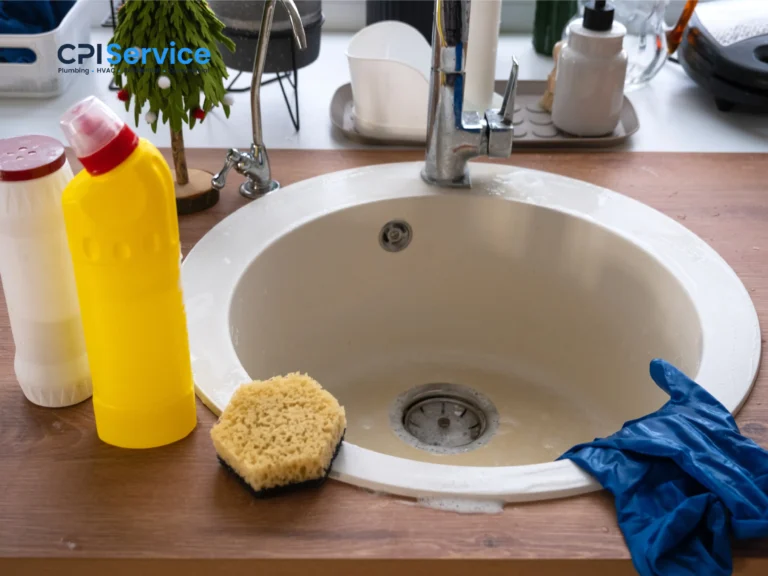
Using the following precautions minimizes chemical exposure and prolongs the life of your plumbing system, keeping it reliable and safe for everyday use:
- Read labels and directions: Always follow the product’s safety and usage instructions.
- Limit use: Avoid frequent use, as overexposure weakens pipes and fixtures.
- Ventilate the area: Keep windows and doors open to reduce exposure to hazardous fumes.
- Wear protective gear: Use gloves, goggles, and long sleeves to prevent skin or eye irritation.
- Consider alternatives: Choose enzymatic or natural cleaners for mild clogs to protect pipes and maintain safety.
#5 Plumbing Safety Tips for Homeowners: Protect Your Home from Water Damage
Sealing cracks around openings, keeping gutters clear, and using leak detectors are practical ways to reduce moisture problems before they escalate. Unchecked leaks, broken pipes, or poor drainage can weaken structures and cause mold growth that is not easily visible. Even small plumbing issues like dripping faucets or loose fittings can worsen over time, leading to complex and expensive repairs if ignored. Preventive actions like inspecting connections and monitoring water usage help homeowners detect problems early and keep the plumbing system efficient.
The following steps ensure better protection of the home, support plumbing system longevity, and reduce the risk of costly restoration work caused by hidden leaks or floods:
- Install sump pumps: Install these pumps at the lowest points in the basement or crawl spaces to drain water during heavy rain or pipe bursts.
- Seal gaps and cracks: Apply waterproof sealant around doors and windows to prevent water intrusion during storms.
- Clean gutters regularly: Remove debris to prevent overflow that can damage the roof or foundation.
- Insulate pipes: Insulate exposed pipes with foam sleeves or heat tapes to prevent freezing and bursting during winter.
- Use leak detectors: Install smart sensors near appliances, water heaters, or under sinks to quickly detect leaks.
#6 Plumbing Safety Tips for Homeowners: Winterize to Prevent Frozen Pipes
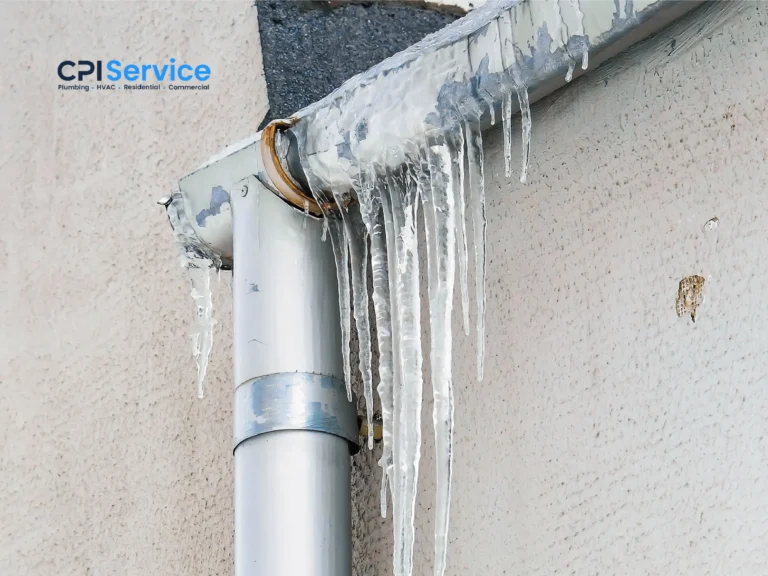
Insulating exposed pipes during winter helps prevent freezing, which causes the water inside them to expand and create cracks or bursts. Even a small crack can release hundreds of gallons of water once the frozen water thaws, causing expensive damage and mold growth. Homes with exposed pipes in attics, basements, or crawl spaces are especially vulnerable during winter. Preparing the plumbing systems before winter arrives helps maintain steady water flow and prevents extensive water damage when temperatures drop.
To protect plumbing systems during cold weather, homeowners should take preventive steps such as insulating exposed pipes, sealing cold-air openings, and letting faucets drip. Using foam insulators or heat tapes keeps exposed pipes warm, while sealing gaps around windows, doors, and walls blocks freezing air. Allowing faucets to release a slow drip reduces pressure inside pipes, and keeping cabinet doors slightly open helps circulate warm indoor air around pipes under sinks or along exterior walls. To support these measures, keeping the thermostat above 55°F, even when away from home, provides warmth and reduces the risk of pipes freezing or bursting.
#7 Plumbing Safety Tips for Homeowners: Maintain Your Water Heater Safely
Maintaining water heater safety involves regular plumbing inspections, cleaning, and temperature control to ensure efficient and hazard-free operation. Water heater maintenance, including routine checks, can help prevent issues like sediment buildup, corrosion, or faulty parts that reduce heating performance and cause leaks or scalding. Sediment accumulation, for instance, can decrease heating efficiency and lead to costly repairs. Flushing the tank each year as part of your water heater maintenance routine prevents this buildup and ensures optimal performance. Routine inspections and temperature adjustments help detect early signs of wear before they develop into more expensive problems.
Taking the following steps extends the life of the water heater, improves performance, and protects your home from hazards related to hot water and gas systems:
- Flush the tank annually to prevent sediment-related damage and improve heating efficiency.
- Set the water heater temperature to around 120°F or 49°C to reduce scalding risk and keep it energy efficient.
- Inspect the anode rod regularly and replace it when it corrodes to protect the tank from rust.
- Check the base and connections for leaks to catch moisture and water drip early.
- Inspect the venting system on gas heaters to ensure clear airflow and prevent carbon monoxide buildup.
#8 Plumbing Safety Tips for Homeowners: Monitor Your Water Quality
Homeowners can monitor water quality by performing simple routine checks using test strips or drop-test kits to measure hardness, pH levels, chlorine, and potential contaminants. Installing reliable filtration at key points in the home and watching for discoloration or unusual odors helps detect problems early. These habits protect both household health and the plumbing system, as untreated water issues can lead to corrosion, buildup, and long-term damage.
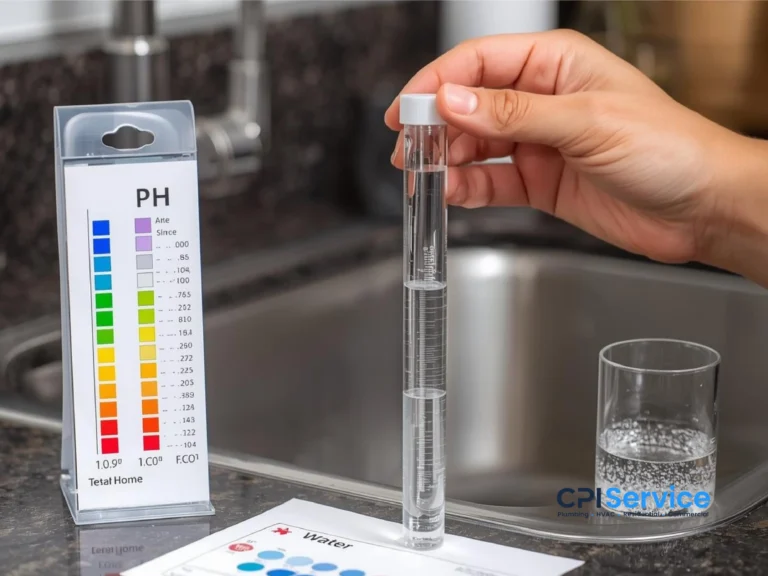
Taking the following steps helps maintain a clean, safe, and efficient water supply throughout your home while keeping your plumbing systems protected from corrosion:
- Install filtration systems: Use whole-house or under-sink filters to remove chlorine, lead, or sediment.
- Test water regularly: Check for mineral content, contaminants, and pH balance (7-8 is the safest) using testing kits or professional services.
- Maintain water softeners: Keep systems serviced to reduce hard water buildup that harms pipes and fixtures.
- Inspect for discoloration or odor: Watch for cloudy water, strange smells, or metallic tastes that indicate contamination.
- Schedule professional inspections: Have a licensed plumber perform water quality assessments annually.
#9 Plumbing Safety Tips for Homeowners: Practice Septic System Safety
Septic systems can be safeguarded by managing wastewater carefully, limiting what enters the tank, and protecting the surrounding area. Proper maintenance ensures the system operates efficiently, prevents contamination of soil and groundwater, and reduces the risk of costly repairs. When homeowners neglect this system, it can lead to backups, foul odors, and even complete system failure. Regular inspections and responsible usage not only keep the septic system functioning properly but also support a cleaner, safer home by preventing environmental contamination.
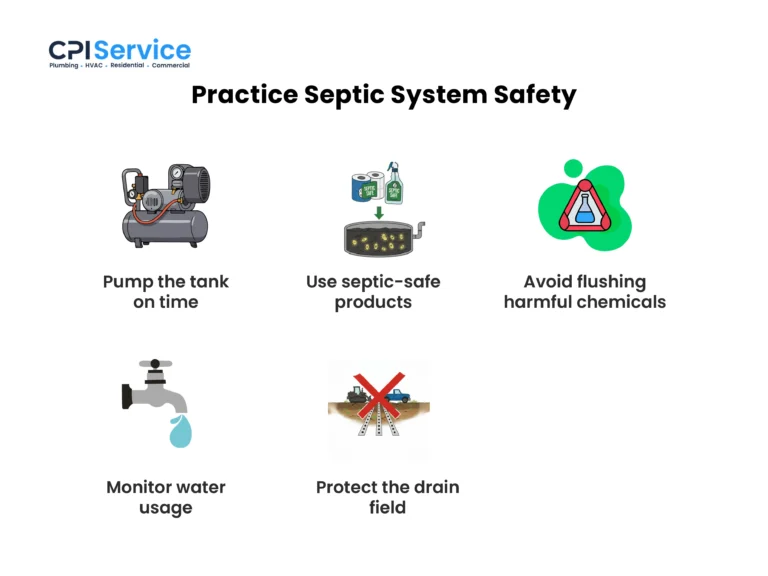
Take the following steps to ensure your septic system remains reliable and safe for long-term use:
- Pump the tank on time: Have your septic tank pumped every 3 to 5 years to prevent overflow and solid buildup.
- Use septic-safe products: Choose cleaning agents and toilet paper designed for septic systems to protect beneficial bacteria.
- Avoid flushing harmful chemicals: Prevent the use of bleach, paint, and solvents out of drains to prevent bacterial disruption.
- Monitor water usage: Space out laundry loads and repair leaks to reduce strain on the system.
- Protect the drain field: Keep vehicles and heavy equipment away from the area to avoid soil compaction or damage.
#10 Plumbing Safety Tips for Homeowners: Recognize Gas Line Hazards
Gas line hazards in the plumbing system can be detected early by watching for warning signs, installing carbon monoxide detectors, and knowing how to shut off the gas supply during an emergency. These actions help homeowners reduce the risk of fire, explosion, or harmful exposure, even if the leak appears minor. According to the U.S. Pipeline and Hazardous Materials Safety Administration (PHMSA), the country experiences 1.7 pipeline incidents per day, showing how common and serious these events can be. Simple cues often provide early plumbing warnings; for example, natural gas is mixed with a sulfur-like odor to make leaks easier to detect.
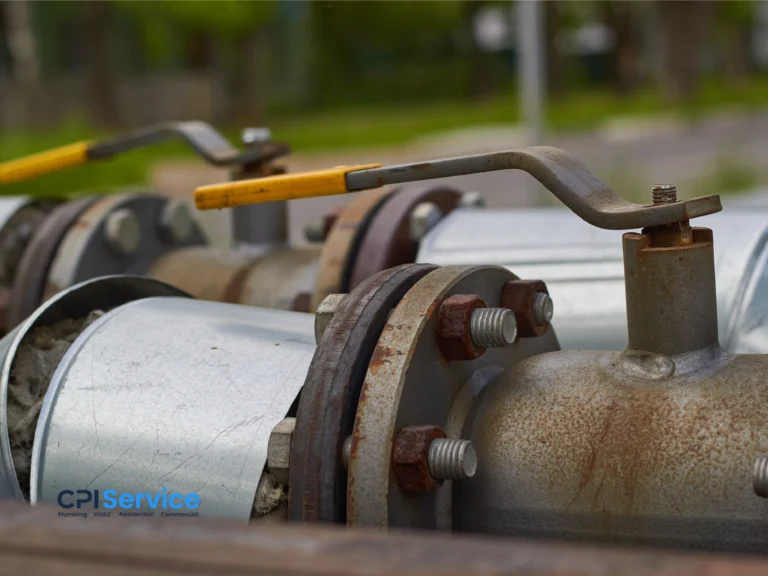
The following steps help keep gas lines safe and reduce risks during dangerous situations:
- Smell for gas: The odor of sulfur or rotten egg is a strong indicator of a leak.
- Listen for unusual sounds: Hissing or whistling near gas lines or appliances signals escaping gas.
- Inspect exposed lines: Look for rust, cracks, or loose fittings around visible gas pipes.
- Install carbon monoxide detectors: Place detectors near sleeping areas and appliances to detect gas buildup.
- Know the shut-off valve location: Be prepared to shut off the gas supply during an emergency.
#11 Plumbing Safety Tips for Homeowners: Schedule regular plumbing inspections
Plumbing inspections should take place once a year in most homes, while older houses with aging pipes require inspections every six months. Such inspections are carried out by professional plumbers who use specialized tools to identify issues that are not visible during a simple visual check by the homeowner. For example, a plumber using a specialized camera can detect a hidden leak behind walls, and professional diagnostic equipment can reveal minor pipe corrosion before it turns into a major repair. Such effective plumbing inspections reduce unexpected breakdowns and protect the home from water damage.
Follow these steps to maintain a reliable inspection routine and strengthen plumbing safety:
- Schedule regular inspections: Arrange a full-system evaluation yearly, or every six months for older homes.
- Request camera assessments: Use video inspection tools to check for hidden leaks, collapsed pipes, or underground blockages.
- Check for corrosion: Have a professional inspect metal pipes, joints, and fittings for early signs of corrosion.
- Test water pressure: Confirm stable pressure levels in pipes, valves, and fixtures to prevent stress.
- Review appliance connections: Have the plumber examine water heaters, dishwashers, and washing machines for leaks or loose fittings.
#12 Plumbing Safety Tips for Homeowners: Be Cautious with Hot Water
Hot water safety depends on proper temperature control, since water above 120°F (49°C) greatly increases the risk of burns at sinks, tubs, showers, and plumbing fixtures. Children and older adults are more at risk from plumbing systems that are unfit for hot water supply, since they have thinner skin and slower reaction times. Scalding injuries can occur in just 5 seconds at 140°F (60°C), and a temperature of 155°F (68°C) can cause a third-degree burn in 1 second. National injury data shows that 30% of burn victims are scalding victims, with most cases affecting children under five.
The table below shows key safety measures that support safe hot water use at home:
Safety Measure | Purpose | Notes |
Set heater below 120°F (49°C) | Prevent burns | Suitable for children and the elderly |
Perform regular temperature checks | Detect sudden spikes | Test at taps and shower fixtures |
Install anti-scald devices (pressure-balancing valves) | Control temperature surges | Ideal for bathrooms and kitchens with hot water supply |
Use thermostatic mixing valves | Balance hot and cold water | Maintains consistent output |
Child-proof tap handles | Reduce accidental activation | Useful in bathrooms used by young children |
#13 Plumbing Safety Tips for Homeowners: Avoid Overloading Your Garbage Disposal
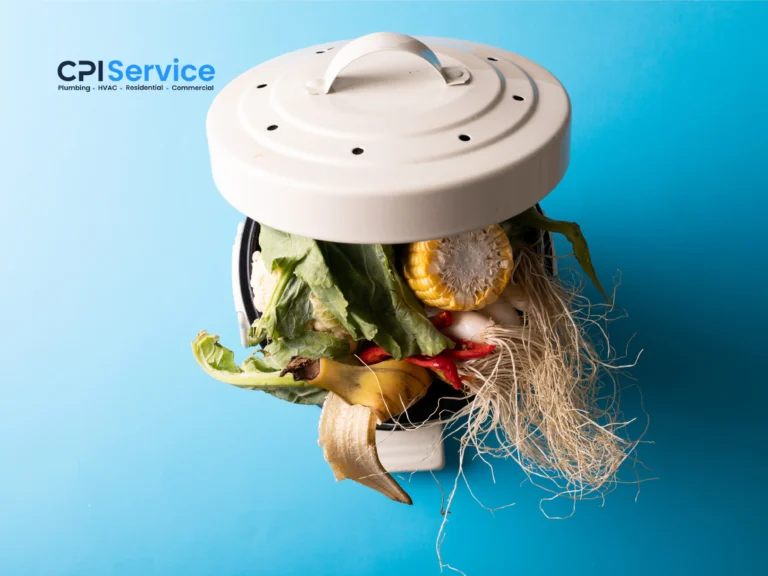
Disposing of small amounts of waste at a time, running cold water during use, and keeping hard waste out of the system help avoid overloading your garbage disposal. Improper use, such as forcing in large food scraps, fibrous vegetables, eggshells, or bones, often leads to clogs, jams, or internal damage that requires costly repairs. When the disposal becomes overloaded, the motor may stall or overheat, and debris can push back into the sink, creating additional plumbing problems, such as drain line blockages that result in water backups or slow drainage.
Safe operating habits help preserve the disposal’s performance and extend its lifespan. Feeding small portions of garbage gradually, running cold water before and after use, and cleaning the system with baking soda and vinegar keep the disposal functioning efficiently. Keeping fibrous vegetables like celery or corn husks out of the unit prevents tangling, while avoiding bones, eggshells, and hard pits protects its blades and motor. Grease and oils should also be kept out of the disposal because they solidify inside pipes and create stubborn clogs.
#14 Plumbing Safety Tips for Homeowners: Check for Leaks
Leaks commonly form under sinks, behind washing machines, or along pipe joints, and can lead to mold growth, structural damage, or increased water bills. Homeowners usually detect such leaks during everyday use or during frequent inspections for moisture or unusual changes. For example, they may notice drips appearing while running a faucet, flushing a toilet, or using appliances. These signs often point to larger problems developing out of sight. Addressing them early keeps the plumbing system efficient while preventing costly repairs and significant damage.
Steps to detect potential water leaks include:
- Inspect common leak points: Check under sinks, around toilets, behind appliances, and near water heaters.
- Watch for stains or discoloration: Marks and discoloration on walls or ceilings indicate possible hidden leaks.
- Monitor water usage: A moving meter with all fixtures off suggests water escaping somewhere.
- Look for mold or a musty smell: Persistent odors often mean moisture buildup.
If the water leak appears hidden or difficult to locate, call a professional leak detection service provider who uses specialized tools to find leaks behind walls, ceilings, or floors.
#15 Plumbing Safety Tips for Homeowners: Avoid DIY Repairs Beyond Your Skill Level
Complex plumbing tasks like sewer backup and gas line leakage require experience, specialized tools, and a clear understanding of how plumbing systems work. Attempting complex repairs without proper knowledge can lead to additional damage, safety risks, or code violations. Issues involving hidden leaks, major system components, or anything connected to electricity or gas lines should never be handled on your own. Knowing personal limits helps prevent costly mistakes. For example, a homeowner opening a wall to fix a small leak may accidentally break a pressurized pipe and flood the area, turning a minor issue into an expensive repair.
The following situations always require a licensed plumber because they pose structural, safety, or compliance risks:
- Major plumbing leaks: Large or fast-moving leaks can damage walls, floors, and electrical systems.
- Burst pipes: These require proper pipe replacement and pressure assessment.
- Sewer line problems: Backups, foul odors, or slow drains may indicate deep blockages or pipe collapse.
- Water heater issues: Failures, temperature irregularities, or water pooling around the unit demand expert evaluation.
- Electrical connections on plumbing equipment: Pumps, heaters, and disposal units must be handled by trained professionals to avoid electrocution.
- Gas line repairs: Even minor or suspected gas leaks or connection issues require immediate expert intervention.
#16 Plumbing Safety Tips for Homeowners: Protect Your Pipes from Corrosion
Pipe corrosion can be prevented by monitoring water quality, maintaining stable pH levels (pH 7-8), and inspecting metal piping for early signs of deterioration. Corrosion slowly weakens pipes from the inside, creating internal leaks, discoloration, and reduced water flow. Homes with older plumbing systems or hard water are especially vulnerable to this. Unnoticed corrosion often leads to costly repairs or pipe replacement, which is why these issues must be addressed early.
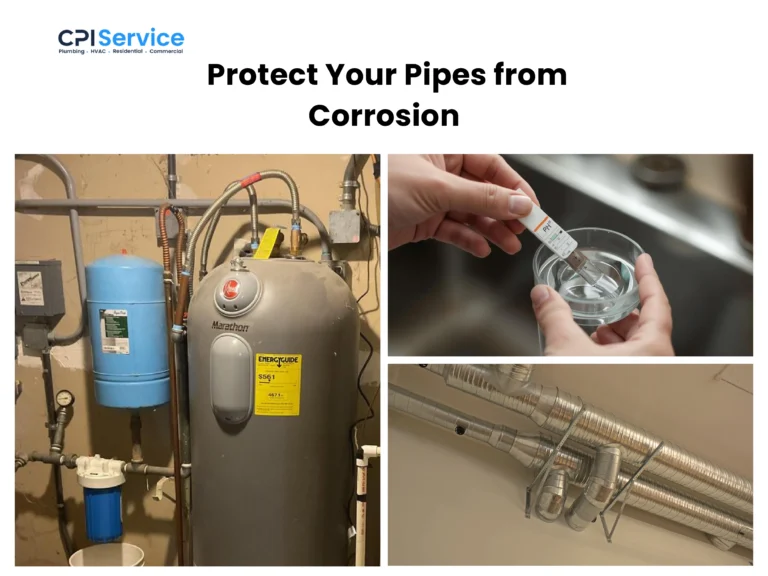
The following measures are essential to avoid pipe corrosion, which reduces the risk of sudden failures of plumbing systems:
- Test water quality regularly: Imbalanced pH or high mineral content accelerates metal deterioration.
- Use water softeners: Utilize hard water treatment systems like a whole-house water softener to limit mineral buildup inside pipes.
- Inspect pipes for discoloration or flaking: These signs often indicate early corrosion.
- Insulate pipes in humid areas: Use foam pipe insulation to reduce moisture exposure that may cause rusting.
- Address leaks immediately: Drips create oxidation and weaken pipe surfaces over time.
#17 Plumbing Safety Tips for Homeowners: Install Proper Ventilation in Plumbing Areas
Proper ventilation is necessary in plumbing areas to prevent moisture buildup, which can quickly accumulate around pipes, fixtures, and in enclosed spaces like basements and bathrooms. Exhaust fans and dehumidifiers help ensure steady airflow in these areas through vents and windows, reducing excess humidity. Without this airflow, moisture can cause mold growth, weaken nearby materials, and accelerate pipe deterioration. By maintaining steady airflow, these systems keep plumbing areas dry, limit condensation on pipes, and prevent damage to the surrounding structures.
Common plumbing areas can be properly ventilated in the following ways:
- Bathrooms: Install high-capacity exhaust fans, open windows after showers, and open doors slightly to release steam.
- Basements: Use dehumidifiers and ensure foundation vents are open and unobstructed.
- Crawl spaces: Add ventilation grilles, improve air circulation with small fans, and use vapor barriers to limit ground moisture.
- Laundry rooms: Keep dryer vents clear, run exhaust fans during high-humidity cycles, and avoid blocking airflow behind washing machines, dryers, and other appliances.
- Under-sink cabinets: Leave cabinets open periodically to allow warm, dry air to circulate.
#18 Plumbing Safety Tips for Homeowners: Be Prepared for Emergencies
To prepare for an emergency like a burst pipe or a flooded basement, homeowners should know where the shut-off valves are located, keep essential supplies within reach, and have a clear plan for quick action. Burst pipes, sudden leaks, and water heater failures can cause extensive water damage within minutes, but a prompt response limits the impact. Knowing valve locations, maintaining emergency contacts of a nearby plumber, and performing routine checks make homeowners better equipped to handle unexpected failures safely and quickly.
The following checklist outlines the key steps homeowners should take to prepare for emergencies:
- Locate the main water shut-off valve: Ensure every household member knows where it is and how to turn it off quickly.
- Keep the number of a certified plumber in your phone and post it in a visible place.
- Maintain essential supplies like store flashlights, buckets, towels, and adjustable wrenches in an easy-to-reach location.
- Install sensors near water heaters, under sinks, and around major appliances for leakage alerts.
- Check pipes, hoses, and fittings regularly for wear, corrosion, or loose connections.
- Create an emergency response plan and review it with family members.
Why Is It Important to Take Plumbing Safety Seriously?
It is important to take plumbing safety seriously because it protects homes from preventable damage, reduces injury risks, and ensures that essential water and drainage systems continue to function reliably. A well-maintained plumbing system minimizes the chances of leaks, flooding, contamination, and equipment malfunctions. These make the living environment safer, especially for the children and the elderly, and prevent costly repairs that result from overlooked issues. Key reasons plumbing safety matters include:
- Protecting the home from water damage and structural deterioration
- Preventing injuries caused by hot water, gas leaks, or faulty equipment
- Extending the lifespan of pipes, fixtures, and appliances
- Reducing repair and replacement expenses
- Maintaining clean, safe, and efficient water supply systems
When homeowners understand their plumbing system’s limitations, address problems early, and recognize when to seek professional help, it shows they take plumbing safety seriously. For issues that require specialized knowledge or expertise, they must always hire a professional plumber to ensure that repairs are done correctly and efficiently to prevent further damage.
Frequently Asked Questions About Plumbing Safety Tips
What are the most common plumbing emergencies in homes?
The most common plumbing emergencies in homes are:
- Burst pipes during winter, caused by frozen water inside pipes
- Clogged drains that cause backups
- Overflowing toilets
Should I turn off my main water valve when going on vacation?
Yes, shutting off the water supply before going on a vacation helps prevent leaks, flooding, and pipe bursts while you are away. If you plan to be gone for an extended period, closing the valve is a simple and effective way to protect your home from potential water damage and costly plumbing repairs.
What plumbing work should I never attempt on my own?
Homeowners should never attempt pipe replacement, sewer line repairs, or anything involving gas, electricity, or major system components. These complex plumbing tasks require specialized tools and professional expertise, and attempting them can cause further damage or create safety risks. Doing simple tasks like fixing a leaky faucet, unclogging a drain with a plunger or drain snake, replacing a showerhead, or tightening loose pipe fittings is safe.
Do I need a permit for plumbing work?
You need a permit for complex works like installing a new water heater, replacing or rerouting pipes within walls or underground, and making major plumbing modifications like moving or adding fixtures. However, minor tasks, like repairing leaks, unclogging drains, or replacing faucets and toilets, generally do not require a permit unless structural changes or alterations to water and gas lines are involved.

Alex Hamilton is the owner of CPI Service, a trusted provider of plumbing and HVAC solutions. With over 35+ years of hands-on experience in the industry, He brings deep technical expertise and a proven track record in delivering reliable installation, maintenance, and repair services. His leadership ensures that CPI Service consistently upholds the highest standards of quality, safety, and customer satisfaction.
