
Bay Area Zero-NOx Rules for Water Heaters and Furnaces (Rules 9-6 and 9-4)
Under the Bay Area Air District's Rule 9-6, typical home gas water heaters made after January 1, 2027 must emit zero NOx; Rule 9-4 does the same for furnaces from January 1, 2029. Only newly installed equipment counts. On November 4, 2026 the Board votes on a January 1, 2028 water heater date; for now, the adopted dates stand.
- Google 4.9130+ reviews
- Licensed C-36 · C-20 · ACSLB License #1101278
- 1-year labor warranty24/7 service since 1986
What the Zero-NOx Rules Cover
Status as of October 27, 2026, from the Air District's own pages and documents.
Rule 9-6: gas water heaters
Typical home tanks (75,000 BTU/hr or less) manufactured after January 1, 2027 must emit zero NOx. Larger units, including tankless, follow on January 1, 2031.
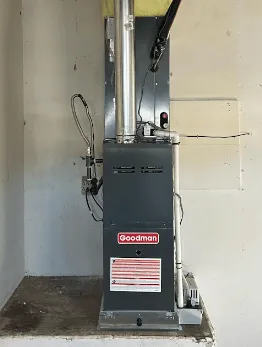
Rule 9-4: gas furnaces
Residential and commercial furnaces manufactured after January 1, 2029 must emit zero NOx. Fan-type home furnaces have had an ultra-low NOx limit since January 1, 2024.
The November 4, 2026 vote
The Board will decide whether to move the water heater dates to 2028 and 2033 and add exemption certificates. It hasn't voted yet; the furnace date isn't on the agenda.
Proposed exemptions
Low-income and housing cost-burdened owners, tight spaces, limited electrical service and some multifamily buildings could install gas with a certificate, if the Board adopts them.
Heat pump water heaters
Today only electric equipment meets zero NOx. A heat pump water heater is the usual replacement for a gas tank. See heat pump water heater installation.
Heat pumps for heating and cooling
A heat pump replaces a gas furnace and the AC with one system. See heat pump installation.
Does the Rule Affect Your Home?
The rules govern what can be sold and installed after each date. Here's how that plays out for a typical San Jose home.
Get a free estimate- Your gas water heater still works
Nothing changes. The Air District says there's no mandate to remove or replace a working appliance before it fails.
- You replace a gas water heater after the date
A replacement manufactured after the compliance date must be zero NOx, which today means electric, usually a heat pump water heater.
- You replace a furnace after 2029
A furnace manufactured after January 1, 2029 must be zero NOx. A heat pump is the usual choice.
- You live in a mobile home
Mobile home water heaters and furnaces are exempt from the zero-NOx requirements.
- You use propane
The rules cover natural gas equipment only. Propane appliances aren't affected.
- You have a gas stove, dryer or fireplace
Not covered. The rules apply only to water heaters and furnaces.
Zero-NOx Dates at a Glance (October 27, 2026)
The dates apply to equipment manufactured after each date, at the point of sale or replacement. “Proposed” dates are what the Air District Board votes on November 4, 2026. They aren’t in effect.
| Equipment | Rule | Adopted date | Proposed in the Nov 4, 2026 vote |
|---|---|---|---|
| Gas water heaters, 75,000 BTU/hr or less (typical home tank) | 9-6 | January 1, 2027 | January 1, 2028 for tanks over 30 gallons; tanks of 30 gallons or less keep today’s limit |
| Gas water heaters over 75,000 BTU/hr up to 2 million BTU/hr, including tankless | 9-6 | January 1, 2031 | January 1, 2033 |
| Gas furnaces, residential and commercial | 9-4 | January 1, 2029 | No change proposed |
| Fan-type residential central furnaces (ultra-low NOx, not zero) | 9-4 | In effect since January 1, 2024 | No change proposed |
Mobile home water heaters and furnaces are exempt. Propane equipment isn’t covered. Sources are listed at the end of this page.
What Do Rules 9-6 and 9-4 Mean for San Jose Homeowners?
Both rules set limits on nitrogen oxides (NOx), the pollutant gas burners release, for appliances sold or installed in the Bay Area. The Air District adopted the zero-NOx amendments in March 2023. Its jurisdiction covers nine counties, including all of Santa Clara County, so the dates are the same in San Jose, Santa Clara, Sunnyvale, Palo Alto and every other South Bay city.
What the rules do and don’t require:
- No early replacement. The Air District says there’s no mandate to remove or replace a working water heater or furnace before it fails. The rules apply only to equipment newly purchased or installed after the compliance dates.
- Replacements after the date must be zero NOx. In the District’s words, if an appliance fails and needs to be replaced after the compliance date, the replacement must be zero NOx.
- Electric is the only option today. The rules don’t name a technology, but the District says the only commercially available appliances that meet zero NOx are electric, typically heat pumps. A gas appliance that met the standard would be allowed.
- Only water heaters and furnaces. Gas stoves, ovens, dryers and fireplaces aren’t covered.
- Mobile homes are exempt, and propane appliances aren’t affected.
Does the Rule Cover Tankless Water Heaters?
Yes, but in the larger tier. The Air District puts instantaneous (tankless) units with the water heaters above 75,000 BTU/hr, which have an adopted date of January 1, 2031. The amendments up for a vote would move that tier to January 1, 2033. See tankless water heaters.
What Does Rule 9-4 Mean for My Furnace?
Fan-type home furnaces made after January 1, 2024 already have to meet an ultra-low NOx limit, which gas models can meet. The zero-NOx step for residential and commercial furnaces comes on January 1, 2029, and the November 2026 vote doesn’t change it. The Air District says it will complete a cost and technology assessment for furnaces before the 2029 date. If your furnace is aging, a heat pump is the usual zero-NOx replacement, and it cools as well. See our furnace service for repair options in the meantime.
The November 4, 2026 Board Vote on Rule 9-6
The vote hasn’t happened yet. The Air District Board of Directors holds a public hearing on proposed amendments to Rule 9-6 on Wednesday, November 4, 2026, at 9:00 a.m., in the Board Room at 375 Beale Street, San Francisco, and on Zoom. Written public comments close November 1 at 6 p.m. through the Air District’s online comment tool (or by mail); the District doesn’t accept comments on regulations by email. Verbal comments are welcome up to and during the hearing.
If the Board doesn’t adopt the amendments, the existing rule stays in place without the exemptions, and the January 1, 2027 date stands. We’ll update this page after the vote.
What Dates Are Proposed?
- January 1, 2028 for gas tank water heaters over 30 gallons and rated 75,000 BTU/hr or less, one year later than the adopted date. The District says the extra year is for setting up the exemption system and reaching retailers, contractors and the public.
- January 1, 2033 for water heaters and boilers over 75,000 BTU/hr up to 2 million BTU/hr, including tankless, instead of 2031.
- Tanks of 30 gallons or less would keep today’s low-NOx limit, because the staff report says no zero-NOx models that small are on the U.S. market.
The staff report also discusses a January 1, 2029 alternative for the small-tank date. Staff doesn’t recommend going beyond 2029.
Who Could Get an Exemption Certificate?
Under the proposal, the Air District would issue exemption certificates through a mobile-friendly website, and a certificate must be in hand before installation. A certificate lets you or your contractor buy and install a gas water heater that doesn’t meet the zero-NOx standard. The proposed categories:
- Low-income property owners: household income at or below 80% of Area Median Income, or enrollment in a qualifying assistance program such as Medi-Cal, CalFresh/SNAP, Covered California, an energy rate assistance program or SSI. This exemption can be used again at a later replacement.
- Housing cost-burdened owners: mortgage and property tax payments of 28% or more of gross household income, by self-attestation.
- One-time exemptions for existing buildings (one per address, not for new construction):
- a water heater in an enclosed space under 700 cubic feet that can’t be modified for ventilation;
- a garage ceiling under 7.2 feet, or another indoor ceiling under 6 feet;
- electrical constraints certified by a licensed contractor: service under 100 amps, no breaker space in the panel, a new 240-volt connection that would need more than 50 feet of conduit, or knob-and-tube wiring with the same 50-foot limit.
- Time-limited exemptions for units made before 2033: hydronic heating systems, buildings with five or more units, deed-restricted affordable housing, nonprofit housing cooperatives and businesses that need water at 160°F or hotter.
Owners can self-certify for the low-income and space exemptions. The electrical exemptions need a contractor.
What Is a Temporary Gas Replacement?
When a gas water heater fails and a compliant one can’t be installed right away, the proposal lets a licensed contractor install a temporary gas water heater, with a certificate obtained before installation. Within 12 months, the temporary unit must be removed or made permanent under one of the exemptions, and the contractor reports it to the Air District. The idea is that nobody goes without hot water while a circuit or panel is being arranged.
How Do Heat Pump Water Heaters and Heat Pumps Fit In?
Because only electric equipment meets zero NOx today, the rules point most replacements toward heat pumps:
- Heat pump water heaters replace a gas tank. A typical installation in San Jose costs $2,500 to $6,000 or more, compared with $1,500 to $4,500 or more for a gas tank. The Air District says a 2024 staff report, based on thousands of Bay Area installations, found average additional costs under $2,000 for zero-NOx water heaters, though some cost more. Many newer models plug into a standard 120-volt outlet, which can avoid a new circuit. See heat pump water heater installation and the heat pump water heater cost guide.
- Heat pumps replace a gas furnace and the air conditioner with one system. A ducted system typically costs $8,000 to $25,000 in San Jose, and a single-zone ductless mini-split $3,000 to $8,000. See heat pump installation and the heat pump installation cost guide.
The best time to plan is before the old unit fails. A heat pump water heater may need a circuit, a condensate drain and enough air around it, and those are easier to arrange on your schedule than on the day the tank leaks.
Which Rebates Help With the Switch?
The Air District points homeowners to incentive listings at The Switch Is On. In the South Bay, the money comes mainly from your electric provider. Amounts as of October 2026, for equipment that replaces gas:
| Your city | Program | Heat pump water heater | Heat pump HVAC | Details |
|---|---|---|---|---|
| San José | SJCE EcoHome Rebate | $2,500 ($3,500 income-qualified) | $1,500 ($2,500 income-qualified) | SJCE rebates |
| Campbell, Cupertino, Los Altos, Los Altos Hills, Los Gatos, Milpitas, Morgan Hill, Mountain View, Saratoga, Sunnyvale | SVCE Home Rebates | $2,500 ($3,500 income-qualified) | $2,000 ($3,000 income-qualified) | SVCE rebates |
| Santa Clara | Silicon Valley Power | $5,500 | $3,000 per ton, up to $10,000 | SVP rebates |
| Palo Alto | City of Palo Alto Utilities | $3,500 | Up to $2,500 ($5,000 income-eligible) | Palo Alto rebates |
| Atherton, Menlo Park, Portola Valley, Woodside | WestLight Energy | $3,500 | $1,500 | WestLight rebates |
| Fremont | Ava Community Energy | None right now | None right now | BayREN |
Standard amounts from each program’s published rules, checked October 27, 2026. Programs change their terms and some want a reservation before installation. See rebates by city for the conditions. Federal tax credits for heat pumps ended for installations after 2025.
What Permits Does the Switch Need in San Jose?
The City of San José requires a plumbing permit for every water heater installation or replacement, and a heat pump water heater needs an electrical permit as well. For a single-family home or duplex, the permits can usually be issued online through SJPermits. The City’s published requirements for heat pump water heaters include:
- Location: models meeting NEEA’s Advanced Water Heater Specification Tier 3 or higher may go in a garage, basement or other conditioned space.
- Room size: at least 700 cubic feet (10 × 10 × 7 feet), or a door with a louvered panel of at least 2 × 3 feet so air can pass freely.
- Condensate: drained to an approved plumbing fixture or a drywell.
- Electrical panel: upgraded if it can’t carry the added load.
- Earthquake straps: two straps on a tank up to 52 gallons, more on larger tanks, as for any water heater.
The 700-cubic-foot figure is also the threshold in the Air District’s proposed ventilation exemption. Other South Bay cities run their own permit counters; we pull the permits for every water heater and heat pump installation we do.
What Should You Do Now?
- If your water heater or furnace works, keep it and plan ahead. Note its age and fuel, and where your electrical panel is.
- If it’s 10 years old or more, get a price on a heat pump replacement now, and check whether your electric provider wants a rebate reservation before work starts.
- If it fails, call us. We offer same-day service and can talk through a heat pump replacement or, while the rules allow it, a like-for-like gas unit.
CPI Service installs heat pump water heaters and heat pumps across San Jose and the South Bay. Every job is quoted as a fixed price before we start. Request a free estimate or call (408) 978-3093.
Sources
- Bay Area Air District: Building Appliances (rule development, updated 10/26/2026)
- Bay Area Air District: Building Appliances Rule Implementation
- Notice of Public Hearing, Rule 9-6 (October 2, 2026)
- Preliminary Staff Report, Proposed Amendments to Rule 9-6 (October 2026)
- Proposed Rule 9-6 language (October 2026)
- Water Heater Rule Amendments Overview (October 2026)
- Myths vs. Facts: Understanding the Bay Area’s Building Appliance Rules
- FAQ About Air District Appliance Rules (July 2026)
- City of San José: Water Heaters (permits and requirements)
- The Switch Is On: Incentive Finder
Checked October 2026.
What the Zero-NOx Options Cost in San Jose
Typical installed prices in San Jose, before rebates. Your written quote depends on your home.
| Service | Typical San Jose price (USD) |
|---|---|
| Heat pump water heater, installed | $2,500–$6,000+ |
| Gas tank water heater, for comparison | $1,500–$4,500+ |
| Ducted heat pump replacing a furnace and AC | $8,000–$25,000 |
| Ductless mini-split, single zone | $3,000–$8,000 |
| Inspection feeWaived for service plan members | $59 |
What affects the price
- Electrical. A 240-volt circuit, a 120-volt plug-in model or a panel upgrade changes the price most.
- Location. Heat pump water heaters need room and airflow; a closet may need a louvered door.
- Condensate. Heat pump equipment needs a drain or a condensate pump.
- Rebates. Local programs pay most when a heat pump replaces gas equipment.
Most repairs are quoted as a fixed price before we start. Ranges are typical for San Jose and the South Bay and don't include current specials.
Read the heat pump water heater cost guide →How We Help You Plan a Replacement
Check what you have
We note the age, size and fuel of your water heater or furnace, its location and your electrical panel.
Explain your options
We price a heat pump option, and a gas option while the rules still allow one, so you can compare.
Line up the rebate
We check which program your electric provider runs and whether it wants a reservation before work starts.
Plan the electrical
We confirm whether you need a new 240-volt circuit or panel work, or whether a 120-volt model fits.
Install and permit
We install, cap the gas line, pull the City permits and schedule the inspection.
Zero-NOx Rules in San Jose and the South Bay
Status as of October 27, 2026. The Air District's rules apply across all of Santa Clara County.
One regional rule
San Jose, Santa Clara, Sunnyvale, Palo Alto and every other South Bay city are inside the Air District, which covers nine Bay Area counties. The dates are the same in each city.
San José permits
A heat pump water heater needs both a plumbing and an electrical permit in San José. Single-family homes and duplexes can usually get them online through SJPermits.
Local rebates
SJCE, SVCE, Silicon Valley Power, Palo Alto Utilities and WestLight pay toward heat pump water heaters and heat pumps that replace gas. See rebates by city.
After November 4
We'll update this page with the Board's decision. Until then, January 1, 2027 is the adopted water heater date.
Neighborhoods we serve: Downtown San Jose · Willow Glen · East San Jose · South San Jose · Evergreen · Cambrian Park · West San Jose · Berryessa · North San Jose · Blossom Valley
Current Specials
Save on your visit. Mention the offer when you book.
- Any Plumbing Service$50 OFFGet Offer: Any Plumbing ServiceLimit 1 per household. Cannot be combined with other offers. Expires January 15, 2028. See details for Any Plumbing Service
- Sewer Line InspectionFREECamera inspectionGet Offer: Sewer Line InspectionLimit 1 per household. Cannot be combined with other offers. Expires January 15, 2028. See details for Sewer Line Inspection
- Water Heater Installation$250 OFFGet Offer: Water Heater InstallationLimit 1 per household. Cannot be combined with other offers. Expires January 15, 2028. See details for Water Heater Installation
- Second OpinionFREEAlready have a quote from another licensed plumber?Get Offer: Second OpinionFor customers with a quote from another licensed plumber. Expires January 15, 2028. See details for Second Opinion
- 12-Month Financing0%Interest for 12 monthsGet Offer: 12-Month FinancingThrough Synchrony, subject to financing approval. Expires January 15, 2028. See details for 12-Month Financing
- Seniors, Teachers & Healthcare Workers5% OFFSeniors 65+, teachers and healthcare workersGet Offer: Seniors, Teachers & Healthcare WorkersFor seniors 65+, teachers and healthcare workers. Expires January 15, 2028. See details for Seniors, Teachers & Healthcare Workers
Our new heat pump system has just been installed and we are very pleased with CPI and the new equipment. We are especially grateful for the knowledgeable and hard-working technician Bunhak, who worked throughout our recent heatwave to finish the job. We would highly recommend CPI for any HVAC installation or maintenance.
Linda G.Google review
CPI and Alex were extremely helpful when our local church’s water heater kept malfunctioning and needed replacing. From the initial diagnosis, explanation and recommendation of replacement, we always felt that our needs were being tailored to. Not only were they extremely kind, knowledgeable and professional, but they also were diligent and efficient during their time.
We’re truly grateful for their excellent work and would highly recommend CPI to anyone in need of plumbing or heating services, especially for those in larger community buildings like churches like ours.
Stephen S.Google review
Antonio did an excellent job fixing the water heater room noise issue. He took the time to properly diagnose the root cause instead of just treating the symptoms, which I really appreciated.
He went through multiple steps to resolve it, including draining and cleaning the water heater and adding vibration pads between the water pipes and the wall to reduce the noise transmission.
He was professional, thorough, and clearly knows what he’s doing. Highly recommend Antonio if you’re dealing with similar issues.
Nina F.Google review
Zero-NOx Rules FAQs
Do I have to replace my gas water heater in 2027?
No. The Air District's rules apply only when a water heater is sold or installed after the compliance date, and the District says there's no requirement to replace a working appliance. When yours fails or you choose to replace it after the date, the new one must meet the zero-NOx standard, unless an exemption applies.
When does the Bay Area water heater rule take effect?
The adopted date for typical home gas water heaters (75,000 BTU/hr or less) is January 1, 2027, for units manufactured after that date. On November 4, 2026 the Air District Board votes on amendments that would move it to January 1, 2028. The vote hasn't happened yet; we'll update this page after it.
Does the rule ban gas stoves or require me to go all-electric?
No. Rules 9-6 and 9-4 cover only water heaters and furnaces. Gas stoves, ovens, dryers and fireplaces aren't affected, and existing appliances can stay until they need replacing.
Does the rule apply to tankless water heaters?
Yes, in the larger tier. Water heaters above 75,000 BTU/hr, including tankless units, have an adopted date of January 1, 2031. The amendments up for a vote on November 4, 2026 would move that to January 1, 2033.
When do the furnace rules apply?
Under Rule 9-4, furnaces manufactured after January 1, 2029 must emit zero NOx. The November 2026 vote doesn't change that date, and the Air District says it will complete a cost and technology assessment for furnaces before 2029.
What exemptions are proposed?
If the Board adopts them: low-income and housing cost-burdened owners; one-time exemptions per address for tight spaces, low ceilings or limited electrical service (under 100 amps, no panel space, or more than 50 feet of new conduit); time-limited exemptions for hydronic heating, multifamily and affordable housing; and temporary gas replacements of up to 12 months. Each needs an Air District certificate before installation.
Are mobile homes covered?
No. The Air District says mobile home water heaters and furnaces are exempt from the zero-NOx requirements of Rules 9-4 and 9-6.
Are there rebates for switching to a heat pump water heater?
Yes, from your electric provider. As of October 2026, SJCE's EcoHome Rebate pays $2,500 in San José for a heat pump water heater that replaces gas, and other South Bay programs pay $2,500 to $5,500. See rebates by city.
Serving San Jose and the South Bay
Our shop is at 2880 Aiello Dr in San Jose. We provide zero-nox rules across the city and nearby South Bay and Peninsula communities. See our full service area.
- San Jose
- Santa Clara
- Sunnyvale
- Mountain View
- Cupertino
- Campbell
- Saratoga
- Los Gatos
- Milpitas
- Morgan Hill
- Gilroy
- Fremont
- Palo Alto
- Los Altos
- Los Altos Hills
- Menlo Park
- Atherton
- Stanford
- Portola Valley
- Woodside
Content and prices reviewed October 2026.
Need zero-nox rules in San Jose? We're here 24/7.
- CSLB License #1101278 (opens CSLB in a new tab): C-36 Plumbing · C-20 HVAC · A General Engineering
- 1-year labor warranty on our work
- BBB A+ Accredited Business (opens BBB in a new tab)
- Technicians trained and certified: NASSCO PACP, MACP and LACP · Rheem heat pump · Noritz Level 3 tankless · OSHA safety
- Member of IAPMO, NASSCO, BOMA, IFMA · Se habla español