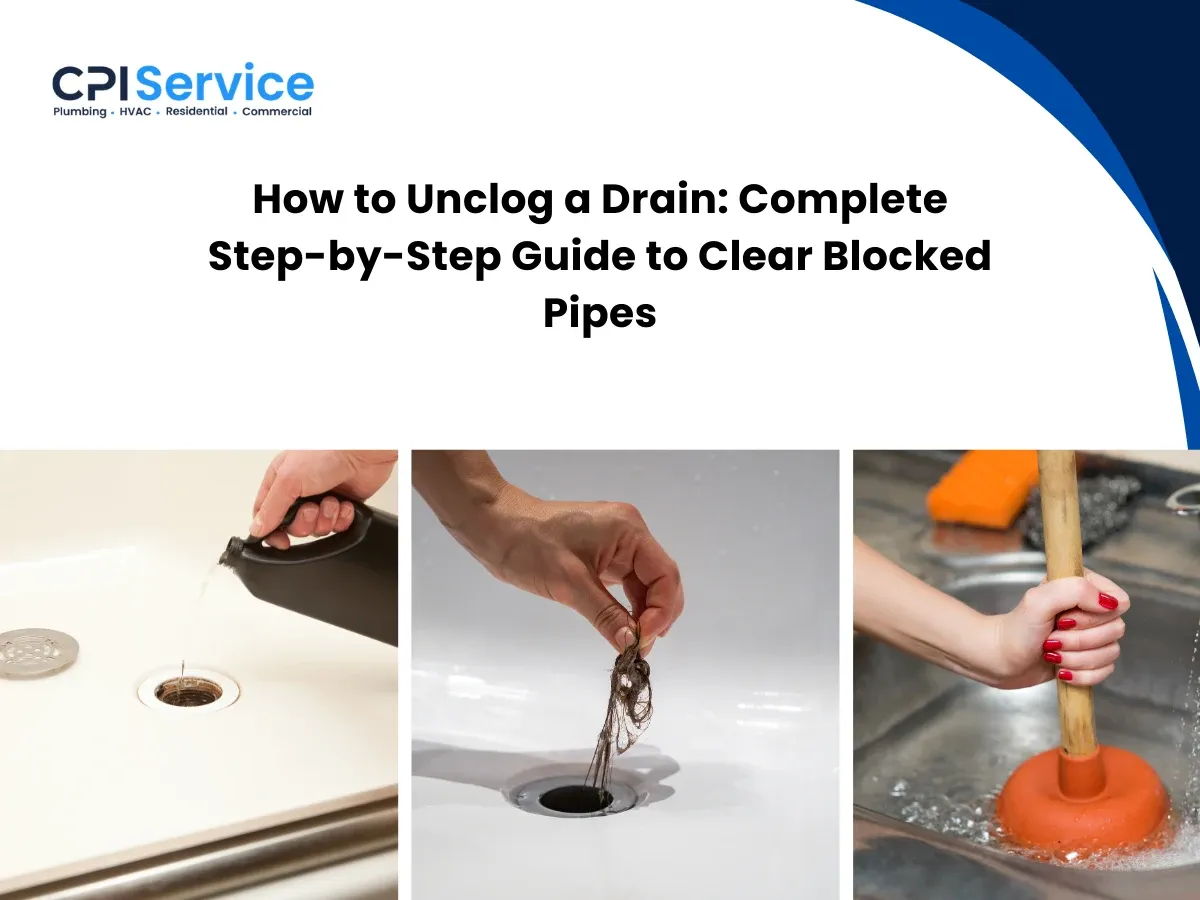
How Much Does Drain Cleaning Cost in San Jose?
Table of Contents
- What Is the Average Drain Cleaning Cost?
- How Much Does Drain Cleaning Cost by Drain Type?
- How Much Does Drain Cleaning Cost by Method?
- How Much Does Emergency Drain Cleaning Cost?
- What Factors Affect Drain Cleaning Cost?
- Type and Location of the Clogged Drain
- Severity of the Blockage
- Drain Cleaning Method Used
- Need for a Camera Inspection
- Condition and Age of the Pipes
- Access to the Drain or Cleanout
- Tree Roots, Grease or Heavy Buildup
- Emergency or After-Hours Service
- Repair or Cleanup After the Blockage
- Local Labor Rates and Service Area
- When Does Drain Cleaning Become Drain Repair or Cleanup?
- Is DIY Drain Cleaning Cheaper Than Hiring a Plumber?
- How Can You Save Money on Drain Cleaning?
- When Should You Call a Professional Drain Cleaning Service?
- Drain Problems in San Jose Homes
- Frequently Asked Questions
Drain cleaning in San Jose typically costs $250 to $600 for most clogs in a kitchen sink, bathroom sink, tub, shower or toilet that a plumber can clear with an auger. Main sewer line clogs cost more: tree roots or heavy grease often call for hydro jetting ($1,500 to $2,500) and a camera inspection.
After-hours emergencies are billed at higher after-hours rates. The final price depends on which drain is clogged, how bad the blockage is, the cleaning method, the age and condition of the pipe, how easy the line is to reach, and whether you need extras such as a camera inspection or an emergency visit.
For every job in one place, see our dated San Jose plumbing and HVAC price table.
What Is the Average Drain Cleaning Cost?
For a single clogged fixture that a plumber can clear with an auger, San Jose homeowners typically pay $250 to $600. Shallow clogs in a bathroom sink or shower drain are at the low end; a kitchen line packed with grease, a toilet with an object stuck in it, or a long run to the clog push it toward the top. Main sewer line blockages, heavy buildup and tree roots cost more because they need bigger equipment and often a camera.
As national context, Angi reports that professional drain cleaning runs about $147 to $352 across the U.S., about $246 on average. San Jose sits above those figures: Bay Area labor and operating costs are higher, many South Bay homes have older clay or cast-iron sewer laterals with roots, and a licensed plumber’s visit here includes the equipment to clear the whole line rather than just the trap. That’s why a national average isn’t a good budget for a South Bay home.
How Much Does Drain Cleaning Cost by Drain Type?
Each drain in the house clogs for its own reasons, and each takes a different amount of work to reach and clear.
| Drain | Usual cause | What’s involved | Where it falls in San Jose |
|---|---|---|---|
| Bathroom sink | Hair, soap scum, toothpaste | Clear the stopper and P-trap, short auger run | Low end of $250–$600 |
| Bathtub or shower | Hair mats, soap scum | Auger through the overflow or drain; sometimes a camera | Low to middle of $250–$600 |
| Toilet | Too much paper, wipes, objects | Closet auger; pulling the toilet if that fails | Within $250–$600; more if the toilet is pulled |
| Kitchen sink | Grease, food scraps | Auger the branch line; jetting for heavy grease | Middle to high; jetting a branch line $400–$700 |
| Main drain | Buildup or roots where branches meet | Cable machine from a cleanout, often with a camera | Top of the range or above it |
| Sewer line | Roots, grease, sagging or broken pipe | Jetting or root cutting, camera inspection | Main line jetting $1,500–$2,500; camera $300–$600 |
| AC condensate drain | Algae, dust, sludge | Flush and clear the line and pan | Part of an AC tune-up ($150–$300) |
Kitchen Drain Cleaning Cost
Kitchen drains are the most prone to heavy clogs because fats, oils and food scraps cake onto the pipe walls and harden over time. A plumber can usually auger a kitchen branch line within the typical $250 to $600 range. When years of grease have narrowed the pipe, jetting the branch line ($400 to $700) cleans the walls instead of just punching a hole through the buildup. Calling when you first see water pooling in the sink keeps the cost down, before grease seals the line completely.
Bathroom Sink Drain Cleaning Cost
Bathroom sinks are usually the least expensive drains to clear. The P-trap under the vanity is easy to reach, and the clog is usually close to the surface: hair, soap scum and toothpaste caught on the pop-up stopper or in the trap. A hand auger or removing and cleaning the trap usually clears it quickly, so it falls at the low end of the typical range. A sink that keeps slowing down after cleaning can point to buildup further down the branch line.
Toilet Unclogging Cost
Most toilet clogs are cleared with a closet auger during a standard visit, within the typical range. The price rises when the clog is deep, when a toy, phone or other object is lodged in the trapway, or when the toilet has to be pulled from the floor to reach the blockage (which also means a new wax ring). If the toilet is overflowing with sewage, or other drains back up when it’s flushed, the problem is likely in the main line rather than the toilet itself.
Bathtub or Shower Drain Cleaning Cost
Tub and shower drains collect dense mats of hair wrapped in soap scum that knot tightly in the trap. A plumber reaches them through the drain or the tub’s overflow plate and pulls the mat out with an auger. The cost depends on how big the blockage is, how easy the drain is to reach, and whether a camera is needed to find a deeper clog. Most tub and shower clogs fall within the typical range.
Main Drain Cleaning Cost
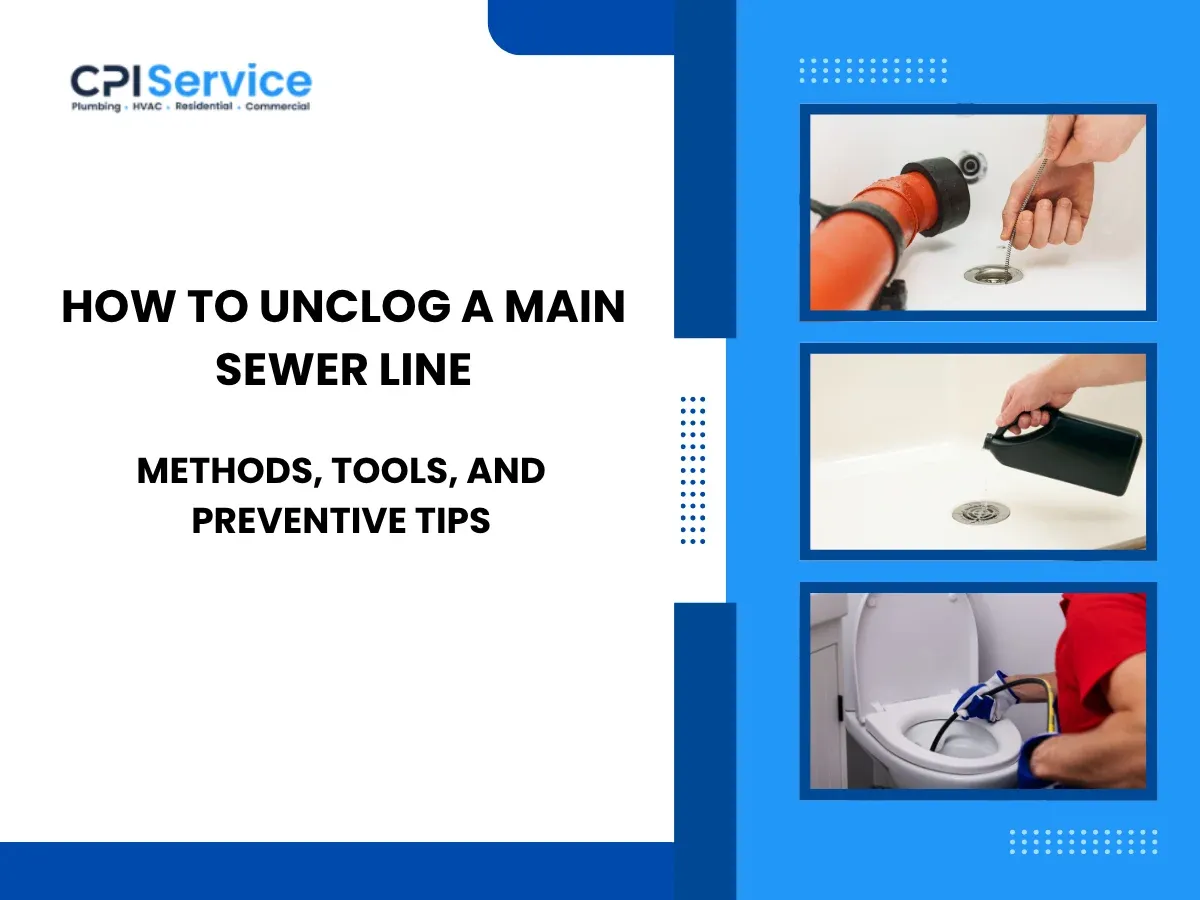
The main drain carries wastewater from every branch line in the house, so a blockage there affects several fixtures at once and can cause water damage. A plumber clears it with a motorized cable machine from a cleanout, and often follows up with a camera inspection to see what caused it. Because of the longer run and the extra checking, main drain cleaning usually lands at the top of the typical range or above it. Heavy grease or roots may call for hydro jetting.
Sewer Line Cleaning Cost
The sewer lateral runs from the house to the City’s sewer main, usually under the yard and often under the sidewalk. Clogs here are usually roots, grease or a sagging or broken section of pipe; the EPA lists tree roots and fats, oils and grease among the causes of sewer blockages. Clearing it takes heavy-duty equipment, and a sewer camera inspection ($300 to $600) shows whether the pipe is sound. Hydro jetting a main sewer line typically costs $1,500 to $2,500 in San Jose; see hydro jetting sewer line cost.
AC Drain Line Cleaning Cost
An air conditioner’s condensate drain line carries water from the indoor coil to a drain. Over time, algae, dust and sludge build up in it, and a clogged line can overflow the drain pan, leak into the ceiling or trip the unit’s safety switch. An HVAC technician clears it by flushing the line and cleaning the pan. CPI clears the condensate drain and pan as part of every AC tune-up ($150 to $300), which is the easiest way to keep it from clogging. See AC drain line clogged for the warning signs.
How Much Does Drain Cleaning Cost by Method?
The method a plumber uses depends on where the clog is and what it’s made of. Snaking is the usual first step; hydro jetting is for heavy grease, roots and recurring clogs.
| Method | What it does | Best for | Typical San Jose cost |
|---|---|---|---|
| Snaking (augering) | A cable breaks up or pulls out the clog | Most sink, tub, shower and toilet clogs | $250–$600 |
| Manual removal | Taking apart a trap or pulling a toilet to remove the blockage | Objects, shallow clogs, fragile pipe | Usually within $250–$600 |
| Hydro jetting, branch line | High-pressure water scours the pipe walls | Kitchen grease, recurring branch clogs | $400–$700 |
| Hydro jetting, main sewer line | High-pressure water clears and cleans the whole line | Roots, grease, scale, recurring backups | $1,500–$2,500 |
| Camera inspection | A camera shows the inside of the line | Recurring clogs, roots, suspected damage | $300–$600 |
| Chemical drain cleaner | Caustic or acid chemicals dissolve some buildup | Not recommended | Not recommended |
Hydro Jet Drain Cleaning Cost
Hydro jetting sends water at high pressure through a special nozzle that scours grease, scale, sludge and roots off the inside of the pipe. Unlike snaking, it cleans the full interior surface of the pipe, which is why it’s the preferred fix for recurring clogs and heavy buildup. In San Jose, jetting a branch line such as a kitchen drain typically costs $400 to $700, and jetting a main sewer line $1,500 to $2,500. The price depends on the length of the line, access and how heavy the buildup is. A camera inspection first confirms the pipe is sound enough to jet. See hydro jetting and hydro jetting vs. drain snaking.
Cost to Snake a Drain
Snaking is the most common professional drain cleaning method. The plumber feeds a mechanical drain snake (auger) into the line to break up the clog or pull it out, restoring flow without opening any walls or digging. In San Jose, snaking a sink, tub, shower or toilet typically costs $250 to $600. Simple clogs near the fixture are at the low end; long runs, main drains and stubborn blockages push it higher. See how to use a drain snake if you want to try a hand auger on a simple clog first.
Manual Clog Removal Cost
Some clogs are best removed by hand: taking off a sink trap to retrieve a ring or a toy, pulling a toilet to get an object out of the trapway, or taking apart a drain assembly. Simple jobs are quick and fall within the typical range; pulling a toilet or working in a tight space takes more labor. Manual removal is also the safer choice when a cable or water pressure could damage fragile, aging pipe.
Chemical Drain Cleaners
Store-bought chemical drain cleaners are cheap, but we don’t recommend them. They often fail to clear a real clog, they can damage older cast-iron and galvanized pipe with repeated use, and a drain full of caustic chemicals is a hazard for whoever opens it next, including you. If you use one anyway, follow the label, wear gloves and eye protection, never mix products, and tell your plumber what you used. A slow drain that keeps coming back usually means a deeper blockage that needs snaking or jetting. See how drain cleaners work.
How Much Does Emergency Drain Cleaning Cost?
When a clog threatens flooding, water damage or sewage in the house, waiting for business hours often isn’t an option. Emergency service costs more than a scheduled daytime visit. The higher price covers the work of clearing the blockage plus a fully equipped truck and an on-call plumber ready to respond at any hour.
Many plumbers bill emergencies by the hour, with a dispatch fee on top. CPI quotes most jobs as a fixed price before work starts, typically based on $150 to $250 per hour plus parts and drive time during regular hours, and $200 to $300 per hour plus parts and drive time after hours, with a minimum charge. See emergency plumber cost and emergency plumbing.
After-Hours Service
Calls on weekday evenings or overnight are billed at after-hours rates. The final cost depends on the time of the call, how severe the blockage is and how complex the work turns out to be. If the clog is a single slow fixture and you have other working drains, scheduling for the next morning saves money.
Weekend or Holiday Service
Weekends and holidays are also after-hours. A main line backup or the only toilet in the house failing on Thanksgiving or New Year’s Eve is worth an emergency call. Priority dispatch and overtime labor are why it costs more, so ask for the price before work starts.
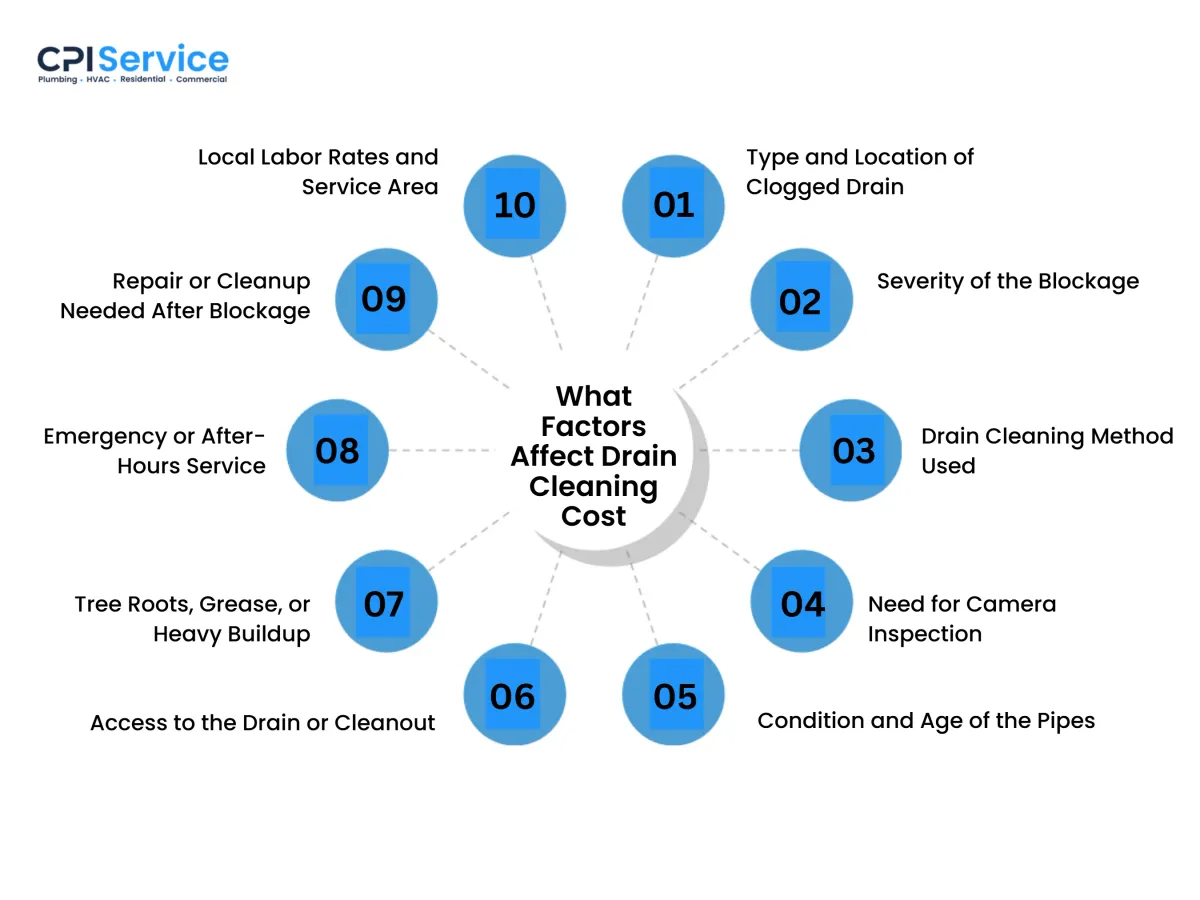
What Factors Affect Drain Cleaning Cost?
The labor, equipment and expertise a job needs set its price, which is why drain cleaning can be anything from a quick visit to a larger project.
| Situation | Where it usually falls |
|---|---|
| Single sink, tub, shower or toilet clog | Within the typical range |
| Kitchen line with grease buildup | Middle to high |
| Main line clog (several drains backing up) | Higher; often with a camera inspection |
| Tree roots in the sewer line | Higher; hydro jetting usually needed |
| No accessible cleanout | Higher (toilet pull or roof vent access) |
| Nights, weekends, holidays | Higher after-hours rates |
Type and Location of the Clogged Drain
Different drains need different amounts of labor and equipment. A bathroom sink or tub drain is easy to reach and clear. A main sewer line blockage often needs a cable machine or hydro jetting and a camera inspection. Drains under a slab, behind walls or in other hard-to-reach places take more time and sometimes special access.
Severity of the Blockage
Soap scum, hair or fresh toilet paper usually clears quickly with a basic snake. As a clog becomes compacted or blocks the line completely, the plumber may need a motorized machine, hydro jetting or several passes to restore full flow, and that extra time adds to the price.
Drain Cleaning Method Used
The method is one of the biggest cost drivers: snaking handles most everyday clogs at the low end, while hydro jetting costs more but cleans the whole pipe of grease, scale and roots.
Need for a Camera Inspection
A plumber recommends a camera when the clog can’t be found easily, keeps coming back, or the pipe may be damaged. In San Jose a sewer camera inspection typically costs $300 to $600. It costs more when there’s no cleanout and the plumber has to go in through a toilet or roof vent. The video shows roots, cracks, sags and offsets, so you know whether cleaning will last or the pipe needs repair.
Condition and Age of the Pipes
Older drain systems need more careful cleaning and more diagnosis. Cast-iron drain pipe, common in older homes, can rust and scale inside until the flow narrows. Galvanized steel drain lines collect mineral buildup. Older clay sewer laterals often have cracks and joints that let roots in. Modern PVC resists corrosion but can still be damaged by the wrong tool. The worse the pipe’s condition, the more labor, inspection and special equipment a job takes.
Access to the Drain or Cleanout
An easy-to-reach drain or outdoor cleanout lets the plumber work quickly. Drains in crawl spaces, behind walls or under slabs take more labor and may limit which methods can be used. With no cleanout, a main line has to be reached by pulling a toilet or through a roof vent, which takes longer.
Tree Roots, Grease or Heavy Buildup
Roots in a sewer line need hydro jetting or a mechanical root cutter, and they come back until the damaged pipe is repaired. Grease in kitchen lines hardens and needs jetting to remove. Heavy hair, soap scum and mineral buildup may take several passes. All three add labor and equipment. See how to get rid of roots in a sewer line.
Emergency or After-Hours Service
Nights, weekends and holidays are billed at after-hours rates; see the emergency section above.
Repair or Cleanup After the Blockage
When a clog has caused water damage, a broken pipe or sewage in the house, the job goes beyond clearing the drain. Pipe repair, sewage cleanup and drying each add cost, as the next section explains.
Local Labor Rates and Service Area
Labor, travel and business costs vary by region. Major metro areas like the Bay Area have higher plumbing rates than smaller towns, which is one reason San Jose prices sit above national averages. Remote locations can also carry travel charges.
When Does Drain Cleaning Become Drain Repair or Cleanup?
Cleaning removes a blockage. When the pipe itself is damaged, too narrow or unreachable, the fix is a repair; when sewage has backed up into the house, cleanup is needed too. Cleaning usually comes first, so the line can be inspected with a camera.
When Drain Cleaning Becomes Repair
- Broken or collapsed pipe. No amount of cleaning restores flow through a pipe that has cracked, shifted or collapsed. A sewer spot repair typically costs $2,000 to $5,000 in San Jose.
- Tree root damage. Cleaning removes roots for a while, but roots that keep coming back mean the pipe has cracks or open joints that need repair.
- Drain line replacement. Heavy corrosion, structural failure or repeated blockages can make replacing the line the better long-term choice. A typical San Jose sewer lateral replacement costs $6,000 to $15,000; long, deep or street work $15,000 to $20,000 or more. See sewer line replacement and sewer line repair methods.
- Sewer cleanout installation. If the home has no accessible cleanout, adding one makes inspection, maintenance and future cleaning faster and cheaper.
- Pipe descaling. Heavy rust, mineral deposits and scale inside old cast-iron pipe can be removed with descaling or jetting to restore the pipe’s inside diameter.
When Drain Cleaning Becomes Cleanup
- Severe sewer backup. Wastewater backing up into sinks, tubs, toilets or living areas needs the blockage cleared and the area cleaned up.
- Raw sewage. Sewage carries bacteria and viruses. Cleanup, sanitizing and disposal are work for a water damage restoration company; check with your insurer about coverage (see insurance for sewer lines).
- Health hazards. Standing wastewater, mold and contaminated surfaces need remediation beyond drain cleaning. Keep children and pets away from the area until it’s cleaned.
Is DIY Drain Cleaning Cheaper Than Hiring a Plumber?
Up front, yes. A plunger or a hand auger can clear many simple sink and toilet clogs for very little money. But DIY methods take time, often fail on deeper blockages, and can damage pipes or fixtures when used wrong. Skip chemical drain cleaners (see above), and don’t open a main cleanout on a line that’s backed up, because sewage can spill out under pressure.
A plumber brings motorized drain machines, sewer cameras, hydro jetters and root cutters to find and remove the blockage, and can spot pipe damage, roots or heavy buildup before it turns into an expensive repair. For recurring clogs, sewer line problems or stubborn blockages, a plumber is usually the more cost-effective choice despite the higher first price.
How Can You Save Money on Drain Cleaning?
Keep grease, wipes and food scraps out of drains, use strainers in tubs and showers, and act early so minor problems don’t turn into emergency calls or pipe repairs.
- Fix slow drains early. A slow drain dealt with at the first sign of trouble is a quick, inexpensive clear. Waited out, it can become a full clog that needs jetting, a camera or an emergency visit.
- Skip the chemical cleaners. Repeated use can corrode older cast-iron and galvanized pipe and lead to costly repairs. If a clog keeps coming back, professional cleaning is the better value.
- Ask for the price up front. Know what the quote includes, and ask about camera inspections, after-hours rates and what happens if the clog turns out to be in the main line. CPI quotes the price before work starts.
- Compare methods. Make sure you’re paying for the right method: snaking for a simple clog, jetting for grease and roots.
- Schedule maintenance. If your sewer line has roots or a history of backups, regular maintenance cleaning on the schedule your plumber recommends (based on what the camera shows) costs less than waiting for a backup.
- Use current specials from a licensed plumber. CPI’s current specials include $50 off any plumbing service and a free sewer line inspection with an accessible main line cleanout. See all current offers.
When Should You Call a Professional Drain Cleaning Service?
Call a professional when the problem is deep in the plumbing system, beyond the reach of consumer tools. Professional drain cleaning in San Jose gives you the experience and equipment to find and fix the problem quickly.
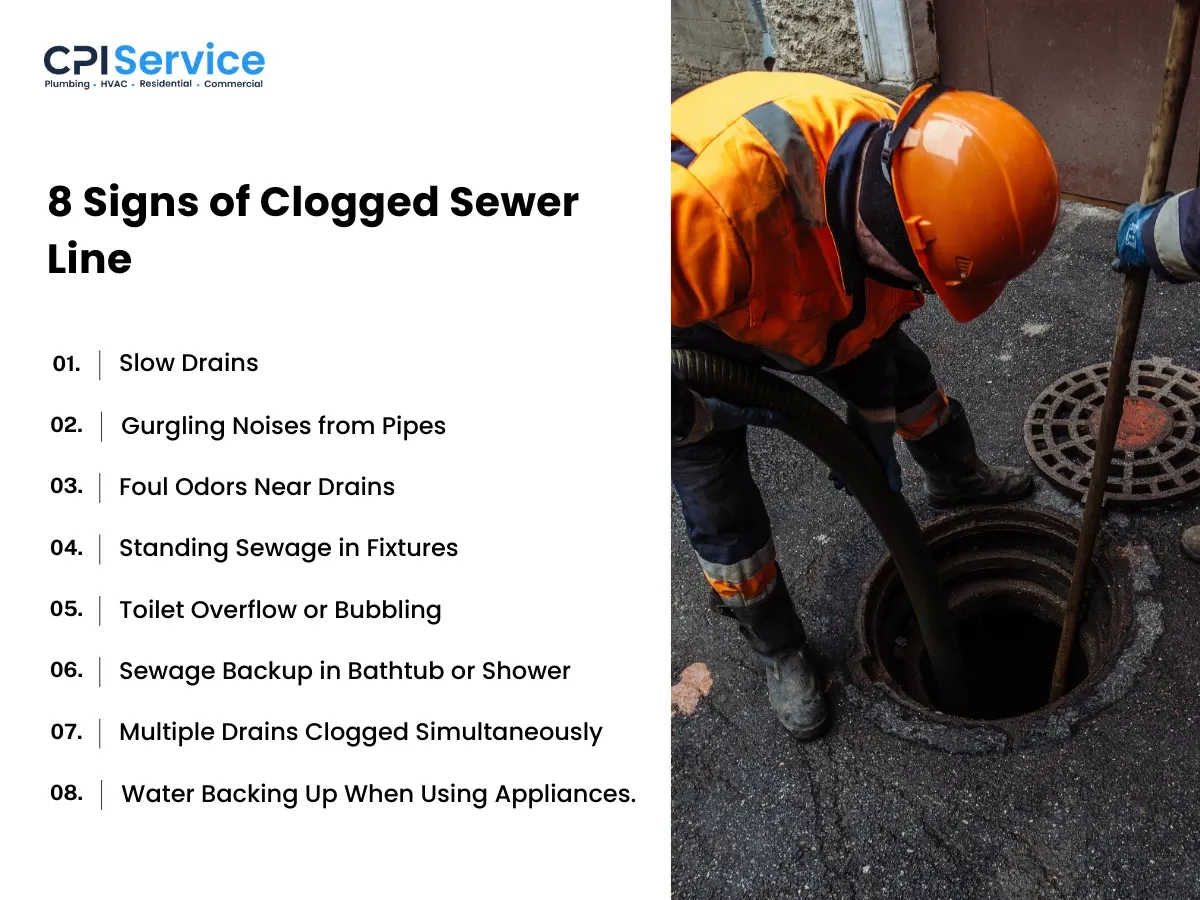
- Several drains are clogged. That points to the main line rather than one fixture, and it needs to be cleared before the whole system stops draining.
- Water or sewage backs up. Wastewater coming up into fixtures can damage the house and needs urgent attention.
- The clog keeps coming back. DIY tools punch a temporary hole through the debris; a professional cleaning clears the pipe walls.
- You smell sewer gas. Sewer odors can mean a dry trap, a broken vent or a cracked line. Sewer gas isn’t something to live with; have it traced.
- DIY tools don’t work. The blockage is too dense or too deep for a hand auger and needs a motorized machine.
- The main sewer line may be blocked. A blocked main cuts off every drain in the house and needs heavy equipment to clear.
- You need emergency drain cleaning. Active flooding or sewage overflow needs a plumber right away to limit the damage.
See signs of a main sewer line clog.
Drain Problems in San Jose Homes
- Tree roots. Many older South Bay neighborhoods have mature trees and clay or cast-iron sewer laterals; roots in the line are a leading cause of recurring main line clogs.
- No cleanout. Some older homes have no outdoor cleanout, which makes main line work harder; adding one makes future cleaning faster and cheaper.
- Kitchen grease. Grease builds up in kitchen lines over years; jetting clears it better than snaking.
CPI Service clears drains throughout San Jose and the South Bay. See drain and sewer cleaning, request a free estimate or call (408) 978-3093.
Frequently Asked Questions
Is drain snaking or hydro jetting better?
Snaking (augering) punches through a clog and is the right first step for most sink, tub and toilet clogs. Hydro jetting scours the whole pipe wall with high-pressure water, which is better for grease, roots and recurring main line clogs.
Should I use chemical drain cleaners?
We don't recommend them. They often don't clear the clog, can damage older pipes, and make the job hazardous for whoever clears the drain next. A plunger or a hand auger is safer for simple clogs.
When is a clog a sewer line problem?
When several drains back up at once, water comes up in a tub or shower when you flush, or drains gurgle. That points to the main line, which may need cleaning and a camera inspection.
Is DIY drain cleaning cheaper than hiring a plumber?
Up front, yes: a plunger or hand auger costs little and clears many simple sink and toilet clogs. For recurring clogs, several slow drains or a sewer backup, a plumber is usually the better value, because the right equipment clears the whole line and a camera shows whether the pipe itself is the problem.
Prompt response, polite, knowledgeable. Good at explaining options and following through until solved.
Pauline M., Google review
Read more reviews →Serving San Jose and the South Bay
CPI Service is based at 2880 Aiello Dr in San Jose and serves homes and businesses across the South Bay and the Peninsula. See all the areas we serve.